Dawn Stallwood has close to 30 years of experience serving and working closely with leaders and their management teams – including executive assistants and chiefs of staff.
In this episode of The Leader Assistant Podcast, Dawn talks about how EAs bring space and perspective to CEOs and their teams, what beautiful leadership is, and what she’s seeing in the professional space related to automation and EAs.
CONNECT WITH DAWN
ABOUT DAWN
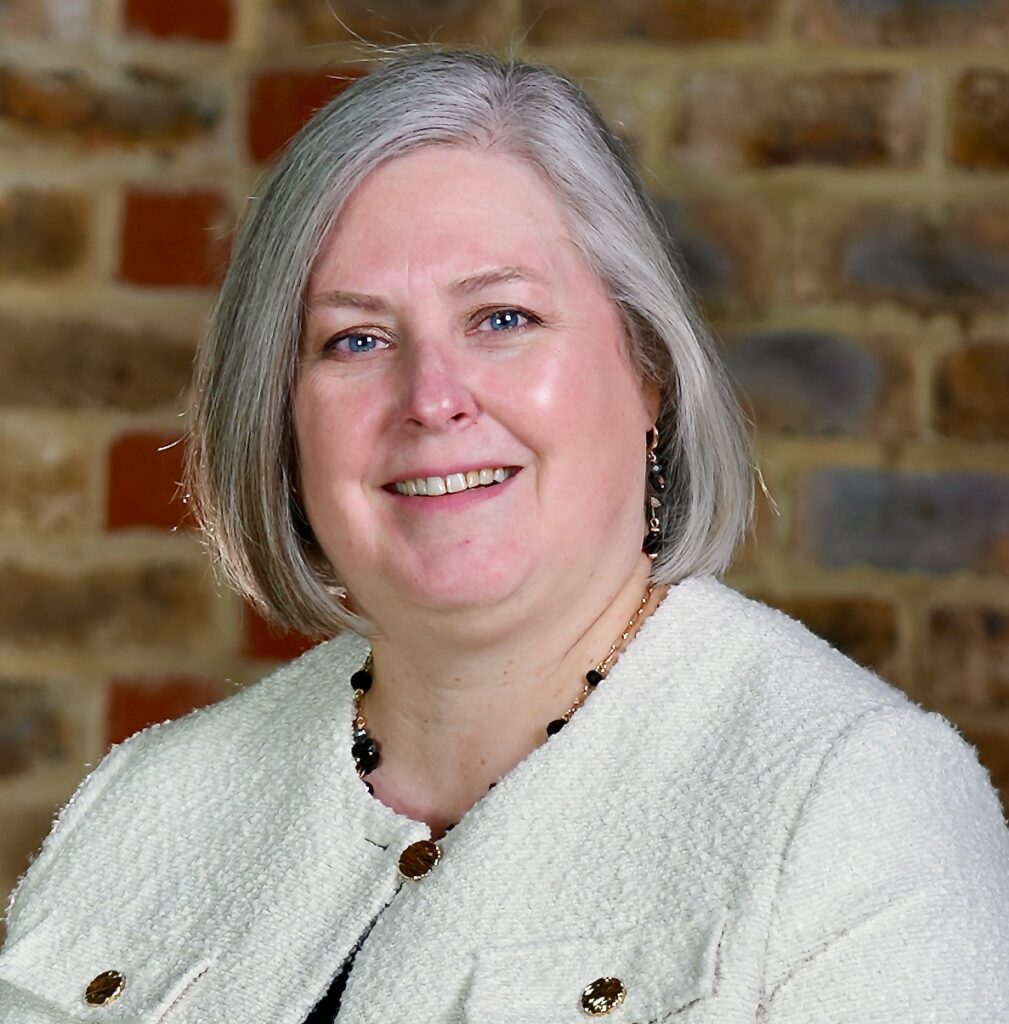
Leadership Counsel Dawn Stallwood has close to 30 years serving and working closely with leaders and their management teams. Her facilitation and work has been international as well as across type and size of business and organisation.
Dawn’s background and experience has made Beautiful Leadership a reality. She comes from a professional services (commercial and M&A lawyer and notary) background.
Having spent time in-house, law firm partnership and business owner, Dawn is committed to supporting her Beautiful Leaders and the next generation of apprentice leaders bring their best into role, deal or decision – and whilst doing so, grow in her own leadership capacity and impact.
Dawn lives in Surrey, in South East England.
–––
THE LEADER ASSISTANT ACADEMY
Enroll in the on-demand, AI-powered professional development resource for Leader Assistants who want to level up. Learn more -> The Leader Assistant Academy.
THE LEADER ASSISTANT BOOK
Download the first 3 chapters of The Leader Assistant: Four Pillars of Game-Changing Assistant for FREE here or buy it on Amazon and listen to the audiobook on Audible. Also, check out the companion study guide, The Leader Assistant Workbook, to dig deeper.
JOIN THE FREE COMMUNITY
Join the Leader Assistant Global Community for bonus content, job opportunities, and to network with other assistants who are committed to becoming leaders!
THE LEADER ASSISTANT PREMIUM MEMBERSHIP
To learn more about how you can join growth-minded Leader Assistants, check out our Leader Assistant Premium Membership for ongoing training, coaching, and community.
LEADER ASSISTANT LIVE EVENTS
Check out our constantly updated schedule of events for admins and assistants at LeaderAssistantLive.com.
SUBSCRIBE
Subscribe to The Leader Assistant Podcast so you don’t miss new episodes!
You can find the show on Apple Podcasts, Spotify, Google Podcasts, Pandora, and Stitcher.
Join my email list here if you want to get an email when a new episode goes live.
LEAVE A REVIEW
If you’re enjoying the podcast, please take 2 minutes to rate and review the show on Apple Podcasts here. Each review helps me stay motivated to keep the show going!
–––
EPISODE TRANSCRIPT
Jeremy: 01:07
Hey friends, welcome to the Leader Assistant Podcast. It’s your host, Jeremy Burrows, and this is episode 363. You can check out the show notes for this conversation at leaderassistant.com/363. So today I’m excited to be speaking with Dawn Stallwood. Dawn is a leadership counsel, uh, has close to 30 years serving uh of experience, serving and working closely with leaders and their management teams, including their assistants and chiefs of staff. Um, and then she also um wrote a book called Beautiful Leadership. And uh we’re excited to chat with Dawn and learn a little bit about her career and the importance of uh you know empowering assistants and why CEOs or what CEOs lose when they automate roles of their most faithful uh inner office colleagues. So, Dawn, thank you so much for joining me today.
Dawn: 02:19
You’re most welcome. Thank you for having me.
Jeremy: 02:22
Uh tell us uh what part of the world you are in and what you like to do when you’re not working.
Dawn: 02:29
So I’m uh from the other side of the Atlantic. So I live in Surrey, which is a county south of LonDawn. And when I’m not working or serving leaders or doing the deal work, I have written a book, of course. But before other than that, it’s family time, time in nature, and um just sort of catching up with life, really. Life seems to get busier as every year goes by.
Jeremy: 02:53
Awesome, awesome. What uh what is your role? So you you’ve you’ve been an MA lawyer, and um tell us a little bit about you know your law experience and and all that and how you got into it, and then let’s we’ll get into more specifically um how you’ve interacted with uh assistants over the years.
Dawn: 03:16
Sure. So I trained as a lawyer in the in the normal sort of traditional route uh in the UK. So going through uh a law degree, then uh I spent some time in-house, which is actually where I have my first interactions really with um assistants and what they taught me, I still am grounded on by net today. And then I uh went into the city with a large regional firm and did my time in the city working in corporate commercial, merchant acquisitions on deals, disposals, crisis management, growth into new markets, and took in one recession as well, which is always always a good experience, even though it’s quite hard. It was good to have that under my belt. And then in 2010, I decided that partnership wasn’t for me, and that I wanted to be closer to the action and much closer into the boardroom. So I left and set up my own corporate consultancy, which is flood like business, and we brand ourselves into and into platform, which essentially means that whilst we’re doing the deals, whilst we’re doing the crisis management or the growth work, we also focus on how we make sure that we’re operating from a state of completeness without the fracture or friction that you can sometimes see in boardroom or management settings or in consortiums. So that’s been the last 30 years, and it’s been very varied and very busy.
Jeremy: 04:45
Yeah, sounds definitely sounds busy. Uh definitely a whole different world. I’ve kind of uh the I have I have utmost respect for those in legal counsel roles because I understand pretty much none of that world. Um so I I respect those who who dive in and and can understand that world.
Dawn: 05:16
The it’s interesting you say though, Jeremy, because we actually have a lot in common with those who are sort of general counsel or of council sitting inside corporates. The one thing that you have in common, I think, as an executive assistant or a chief of staff is faithfulness. If there was one hallmark quality I would say applies across the really great executive assistants and chiefs of staff I’ve worked with and the general counsel that I’ve also sort of engaged with, it’s that word faithfulness. It’s not loyalty, it’s they are utterly committed to the task at hand and being what they need to be in any given moment. Um and it’s quite an impressive quality when you see it at work. It distinguishes people.
Jeremy: 05:59
Yeah, let’s talk a little bit more about that. You know, you’ve seen that obviously in your career working with executives and their teams, um, or quote unquote inner office colleagues. So, what do CEOs lose when they try to automate those roles or try to get by without the roles of you know, chiefs of staff and executive assistants?
Dawn: 06:28
Well, I I think I think I could speak for most people when you’re sitting inside an organization where you do have the benefit of having an EA or a PA with you, and then someone comes along and says, well, surely there’s a more efficient way of you doing it. Maybe you Dawn’t need to have an EA or as much of an EA as you currently have access to. And in my experience, it’s complete folly in that it never serves the organization or the individual well, because you what you lose by thinking you can do it yourself is far greater, I think, than um than the efficiency you might you might think you gain through or the savings you might have uh through using automation or AI. And for me, a couple of the really big ones are space. So what do you lose as a as a leader when you Dawn’t have a gatekeeper, someone who is actually really managing your time is you Dawn’t have space. And leaders need execution space and they desperately need strategic space where they can think. And I noticed across my leaders I’ve worked with over the years, in increasing trend that they are busier than ever, and space is you know, it’s a luxury item, but it’s essential, and really the only people who can manage that space uh professionally and with I think with sort of more successfully than the leader would have existence. And the and the other thing I think that uh you lose is you lose um a perspective, so the outer awareness that an EA chief of staff can bring into a leader who might be zeroing in and focus on something on any given day is really valuable. Um, and there’s a risk that you can become a bit more tunnel-visioned, and a really good EA is able to help you understand your what the wider environment you’re in without um breaching confidentialities of individuals or without it being gossipy. They can actually do it in a really faithful way that helps the leader uh see what they need to see and then have space to be able to act on it. So those are the two things space and um uh perspective are the two are the two that I think you lose uh if you try to do it all yourself.
Jeremy: 08:50
Space and perspective, let it just jotting down some notes, that’s good. Um well what about what have you seen with you know, specifically related to the whole AI trend and automation? Um the capacity and the conscience of the organization. Um how how have you seen teams try to implement AI or try to automate things um like you said without an assistant? And how has that impacted them negative negatively um based on your work with these teams when it comes to to your your expertise?
Dawn: 09:40
I think so far the AI implementation that I’ve seen hasn’t been as successful as they’d hoped it would be. So I think there’s a sense of we need to do something, we should be involved, we should, we should have some level of involvement with AI. Where do we start? Rather than let’s diagnose the problem that we’re trying to solve for, make sure that our human process of it is as good as it can be, and then let’s put AI over it. There was an MIT study in uh quite recently that said um something like more than 70% of AI implementation projects fail, and they fail because of how they are not implemented, but what they are seeking to um create more efficiency for. So rather than actually solving uh a pure process that’s currently human, they just put a pr an AI process into that instead, and without doesn’t actually solve the problem. So I’m seeing a little bit of a pause if I’m if I’m if I think about the clients I serve at the moment and some of the large corporates that we work with multinationals, there’s a real level of discernment going on around what they implement and why. And interestingly, I’m not seeing um the EA roles being uh replaced, as it were, or sort of um uh uh managed down in any degree. So I thought I think it’s despite what you might hear in the press, my personal experience on the ground is that AI is going to take a while for it to actually um step in and either fill the gap or to to create efficiencies. We’re using AI all the time, all of us, in in the apps that we use and the systems that we use, but I’m not seeing it being used um in the in the physical EAs that are in buildings serving serving leaders that I know. Um AI is not creating worries for them at this stage. There will be a time, of course, where there might be more opportunity for AI to come in into the mix. Um and at that point, it has to be you know careful judgment, and it goes back to you know, would you know wouldn’t a virtual EA pick up the nuances or the heat of the moment in a team or in a deal? And I Dawn’t know your experiences, Jeremy, but I can’t see AI doing that anytime, anytime soon. Um yeah.
Jeremy: 12:17
Awesome. Yeah, it’s uh I definitely think that there’s there’s a lot of progress that’s been made and a lot of things that I am even using AI and automation in my role for, um, but there’s also a long way to go. So um I definitely am a proponent of AI plus humans, not AI versus humans. And think especially for assistance, it’s important to be aware of what’s going on and and be um okay with and interested in embracing automation in AI versus being afraid of it, but also knowing that, hey, you know what, you bring a lot to the table, a lot more to the table than just you know scheduling meetings and and balancing uh expense reports.
Dawn: 13:08
Absolutely. And if you can free somebody up from some of those activities to allow the EA to be more strategic, to actually add even more value that they can that they can bring because of their expertise and just their their human qualities, I’m all for that.
Jeremy: 13:24
So tell us a little bit about this book that you wrote. Uh it’s called Beautiful Leadership, is that right?
Dawn: 13:31
Yes, it is.
Jeremy: 13:32
So tell us uh why did you write the book and what’s what’s it about, what’s the framework, and you know, we’d love to love to hear about it.
Dawn: 13:39
So thank you for that opportunity. So I turned 50 in 2024, and with that came a sense of half time and a little bit of legacy work, I think. You know, what what did I want to do next? And I’ve been speaking a little bit around the qualities of leadership and how um you can experience truly attractive and transformational leadership and what it takes, and I was encouraged to actually basically write that down. It breaks out into nine qualities of attractive leadership, inspiring leadership. But the qualities only take you so far.
Dawn: 14:20
They’re great for a foundation, but it’s actually what we do in our day to day by way of a discipline or our act from.
Dawn: 14:31
So leadership was broken down into 10 practices or disciplines that serve as our scaffolding, if you like, for sustainable impact over time. And you put the two things together and you have a framework, and you also have 19 chapters of a book. And I wrote the book Beautiful Leadership because I feel really strongly, particularly for this moment in time, that we really need um beautiful leaders. We need leaders who have all of the qualities that the framework talks about and who intentionally practice um what makes them impactful in a positive sense. That leadership isn’t a destination, that it’s a journey, it’s iterative, it’s experiential. And fundamentally, for your for your podcast audience, Jeremy, that it takes a village, just like raising a child takes a village. Leadership takes a group of people around the leader, not just the leader themselves. And that’s really come through in the book when I was writing it, that you know, it’s it’s the people behind the scenes, including the chiefs of staff, the EAs, the assistants, the general counsels, et cetera, who help to make a leader whole. And that we all have a role to play in that. It’s very easy for us to moan and whinge, great English word, whinge about um about leaders and what they’re not good at. But perhaps we can also take some responsibility ourselves and say, well, on any given day when I’m coming into the office or I’m on a remote work from home day, what could I do? What one small thing could I do would help my leader be better today at what they’re doing? And how can I show empathy to what the leader is presently navigating? Because it’s often uh entirely misunderstood, just what they are, what they’re sort of coping with. And that’s where the assistance come in because you’ve got a visibility that a lot of the um organization Dawn’t have. And sometimes not even the C-suites or the management teams have full visibility of really what’s what’s burdening a leader. So I’m I think it’s really important to be transparent and have empathy and to show some of these qualities and that we all play our we all play our part.
Jeremy: 16:48
Yeah, that’s great. So what what’s maybe a couple of examples of of practices um that you th you think apply maybe even more so to the assistant role from from the book?
Dawn: 17:01
Well so I’m actually going to read so one of the practices is S for spaces and setting boundaries. And uh there’s a page, page on page 261, I think it is, where it says um Whilst on the topic of protecting space and boundaries, I would like to make a bit of a plea. Leaders and boards, please protect the roles of executive assistants and chiefs of staff. Dawn’t think that AI or other automation can entirely replace their effectiveness and stewardship of your space and help you to manage relationships. In my experience, the least strung out, most calm leaders are those who have these business professionals in their organizations. By all means augment AI into their roles to make the task easier, but do value the human touch of their role as highly as you can. I never fully appreciated my personal assistance during my law firm tenure. When I left that setting and set out to run the business, it was a moment of awakening as to their importance. AI or other automation will not gauge the nuances of your team, the heat of the moment, the personalities involved, and the cacophony of voices the leader must respond to. I would not be without an executive assistant resource and help now. I come as a package. Before you read on, consider this question. Who is guarding your space and helping you maintain appropriate and reasonable boundaries? Someone needs to be. Assume that you may not have the capacity to do this yourself. Certainly not all of the time. Can I encourage you to consider this support in your organization? It could be a game changer for you. So S for space as a practice is really key.
Dawn: 18:54
Execute as a practice.
Dawn: 18:60
You enable the leader to basically complete the tasks that are set for them. So execution and space are very important. Hold um, it’s a third practice. Uh the practice of hold, which is essentially hold on, so custodian, the faithfulness part, hold out. So sometimes the the need to wait well whilst you’re get seeking clarity and hold off the art of restraint. I’ve worked with some leaders over the years who have been very, very cross about a situation, something where they feel there’s been a lack of justice or a significant breakdown in a relationship. And a good EA chief of staff, concierge, can come alongside the chief, that leader in the heat of the moment and can just help them bring them down to be a safe space for them to talk to. So I think that that’s often not talked about enough. Just how important the holding pattern that an EA, an assistant, can provide to the leader. It’s a really fundamental role. You could go through every practice in this book, Jeremy, all 10 of the practices, and see uh where the assistant is important, you know. Listen to learn, execute to earn respect, adaptation, practice difficulty, practice empowerment, practice resilience, space, hold, practice improvement and practice purpose. So help them helping the leader cast their vision and maintain it. In each instance, you can see that a leader is enabled, equipped, and um amplified by the practices of their assistant. So while they’re in the book.
Jeremy: 20:41
That’s great, Dawn. Thanks for sharing, and definitely we’ll link to Your book and uh so people can find it and check it out. Beautiful leadership. Uh I’ll put all the links to that in your website and LinkedIn and everything in the show notes at leader leaderassistant.com slash three six three. Again, check out Dawn’s book and uh website and and LinkedIn at leaderassistant.com/363 for all those links. Uh and yeah, Dawn, I appreciate you taking time. Um, you know, the listeners Dawn’t necessarily know that we we moved the uh moved the time of the interview and you were very flexible and I was late because I was dealing with the fire from my executive. Um, but I’m sure the uh assistants listening can also very much relate to uh having something scheduled and things going a little bit haywire uh dealing with uh last-minute details. So appreciate your understanding and appreciate your passion and work uh in the leadership space. But then I also really um thankful for your support of the support staff like assistants like myself, chiefs of staff, and and more. So thank you so much.
Dawn: 22:05
My pleasure. Thank you for having me.
Jeremy: 22:07
Awesome. Thanks again, Dawn, and thank you for listening. And be sure to again check out the show notes, uh, leaderassistant.com/363. And if you enjoyed this episode, um would really appreciate a review on Apple Podcasts or whatever platform you listen to the show on.