Diana Brandl is a longtime C-Suite assistant, and host of the Executive Office Insights podcast.
In this spotlight episode, Diana speaks with Lauren Bradley about how EAs can thrive.
CONNECT WITH LAUREN
ABOUT LAUREN
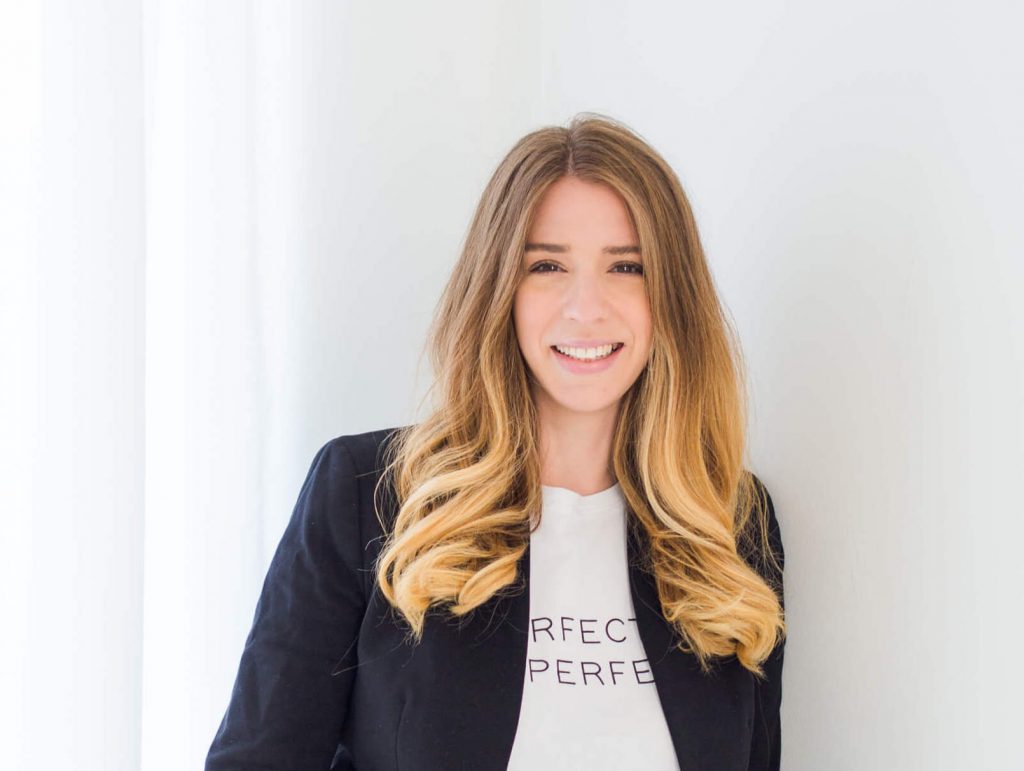
Lauren Bradley is passionate about providing affordable and accessible training to the administrative professional industry.
Her career as an award-winning assistant and business owner spans nearly twenty years, where she has worn many hats including office manager, executive assistant, virtual assistant and private PA to HNWIs. A truly international powerhouse, Lauren is a corporate trainer, mentor and speaker. She is originally from Pittsburgh, PA but now lives in London with her family where you can find her constantly neglecting her cup of tea.
ABOUT EXECUTIVE OFFICE INSIGHTS with DIANA BRANDL
Executive Office Insights is a podcast for executive support professionals hosted by Diana Brandl – an accomplished trainer, consultant, coach, and former C-suite senior executive assistant with nearly two decades of experience at renowned international companies, this podcast dives deep into the evolving world of executive excellence.
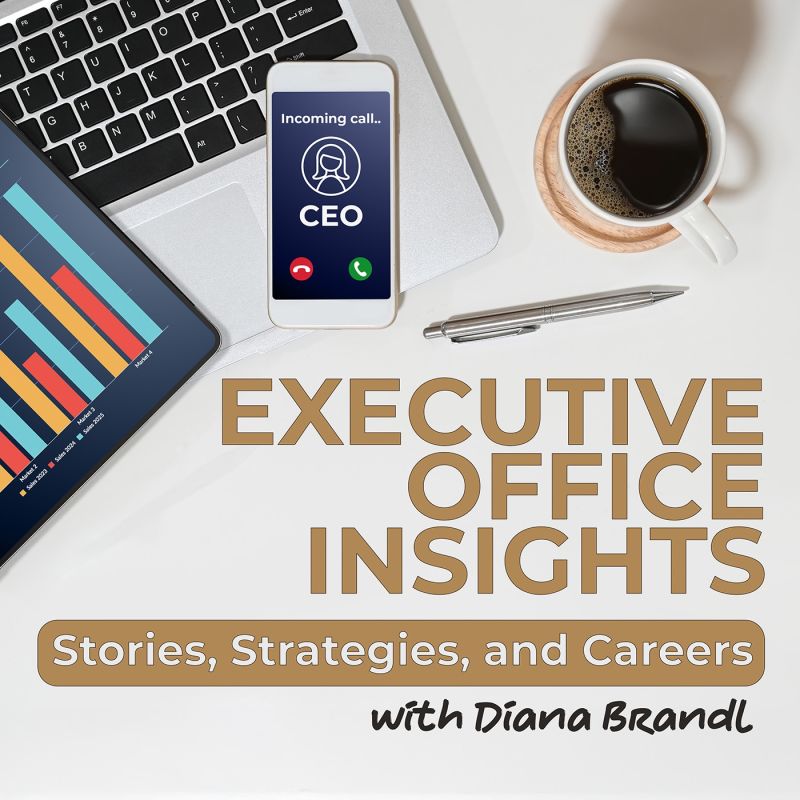
Diana explores the critical themes shaping the modern workplace, including leadership dynamics, digital transformation, AI, and the future of work. Featuring insightful conversations with a diverse range of German and English-speaking experts, each episode equips listeners with actionable insights and strategies to thrive in the ever-changing executive office landscape.
–––
THE LEADER ASSISTANT ACADEMY
Enroll in the on-demand, AI-powered professional development resource for Leader Assistants who want to level up. Learn more -> The Leader Assistant Academy.
THE LEADER ASSISTANT BOOK
Download the first 3 chapters of The Leader Assistant: Four Pillars of Game-Changing Assistant for FREE here or buy it on Amazon and listen to the audiobook on Audible. Also, check out the companion study guide, The Leader Assistant Workbook, to dig deeper.
JOIN THE FREE COMMUNITY
Join the Leader Assistant Global Community for bonus content, job opportunities, and to network with other assistants who are committed to becoming leaders!
THE LEADER ASSISTANT PREMIUM MEMBERSHIP
To learn more about how you can join growth-minded Leader Assistants, check out our Leader Assistant Premium Membership for ongoing training, coaching, and community.
LEADER ASSISTANT LIVE EVENTS
Check out our constantly updated schedule of events for admins and assistants at LeaderAssistantLive.com.
SUBSCRIBE
Subscribe to The Leader Assistant Podcast so you don’t miss new episodes!
You can find the show on Apple Podcasts, Spotify, Google Podcasts, Pandora, and Stitcher.
Join my email list here if you want to get an email when a new episode goes live.
LEAVE A REVIEW
If you’re enjoying the podcast, please take 2 minutes to rate and review the show on Apple Podcasts here. Each review helps me stay motivated to keep the show going!
–––
EPISODE TRANSCRIPT
Speaker 5: 00:46
Today I’m excited to spotlight my friend Diana Brandl’s show called Executive Office Insights. Diana has had some amazing interviews over the years on her show, which I will link to in the show notes, so be sure to check that out. In the meantime, enjoy this featured episode from Diana’s show.
Speaker 1: 01:12
The Leader Assistant Podcast exists to encourage and challenge assistants to become confident, game-changing leader assistants.
Speaker 5: 01:24
Check out the show notes for this episode at leaderassistant.com/365.
Speaker 3: 01:39
Absolutely. What’s the framework there for assistance? How do you have this type of meeting? And then it would build off of that. It would make me bounce ideas. And every time I heard a tip that I thought was just incredible, I just wanted to share it.
Speaker 2: 01:60
Welcome to Executive Office Insights with your host, Diana Brandl, consultant and coach for executive support. I travel around the globe to bring you the most exciting voices in the industry in front of my microphone. Get inspired by insider knowledge, real success stories, and new perspectives on leadership and executive support. It was long overdue to have her on the show. We recently worked together for the uh working at Office Magazine in Germany for an article. She was one of the experts there. I interviewed. Um, and the topic was ADHD, and Lauren talks about this very openly. So I wanted to give more room and have her here on the podcast. But of course, there’s so much more to cover because she’s a huge tech fan, and I know you’re gonna love this episode. So don’t forget to connect with her. Enjoy. Here we are again with another episode of Executive Office Insides, and I’m heading over to the UK and I say hi to Lauren. Lauren, where are you based?
Speaker 3: 03:08
Let us know. Um, so I am in London in the UK, and it is very hot here today, but I’m happy to be talking with you.
Speaker 2: 03:16
I know Lauren and I would just had a chat about the temperatures, and when she said 31 in the UK, I was looking like, what? Yeah, because I’m in Italy, it’s 35 Celsius, and you don’t expect that from the UK, but you know, summer arrived up there as well, which is wonderful for you and the family and the kids, because of course we love good weather, but it usually comes with a big boom, right?
Speaker 3: 03:40
Yes, exactly. It’s booming here. It is gonna be like this for the next week and a half. So we are we’re pulling out the pool and the sprinkler, and we’re just gonna do everything we can to stay cool because it is unbearable. I know.
Speaker 2: 03:55
Pool sounds good, by the way. So why don’t you tell us a little bit about yourself, Lauren? First of all, good to have you on the show, and I’m very excited to introduce you, especially to the German-speaking community. So we all want to hear who’s Lauren.
Speaker 3: 04:11
Thank you for having me. You know, I adore you, and I’m so glad that we’re getting to do this. So, my name is Lauren Bradley. I’m the founder of The Officials, which is an online training and community platform for administrative professionals. Um, it is all community-based, so we are very much into crowdsourcing that we all are greater than our part. The sum is greater than the parts, right? And everyone in our community has unique experience. Um, and we also do, I do corporate training and have trained at some amazing, amazing companies and mentorship. So we really picking up on mentorship at the moment. And that’s kind of how everything really started was um with mentorship. So that’s a little bit about me and what we do here at the officials.
Speaker 2: 04:58
And you know, you speak at conferences. This is where, you know, you and I have been on the same stages, like the PA show, for example, in London. Exactly. Um, so that’s that’s always good to see you there. And so watch out, everyone on the agenda. Lauren might be on, especially when it’s in the UK area. And the PA show is always a very uh event that I always enjoyed going. And um, you you meet everyone there. It’s it’s such a great time. Uh, the exhibit exhibition part, the training part, and the networking part. So it’s it’s really a fun event.
Speaker 3: 05:29
It’s fabulous. I we always say it’s like a reunion. Like we don’t see each other all year, but at the PA show, we have a chance to all see each other because we’re all all of us that are advocates and trainers, we’re busy, right? And so to actually be able to spend two days in the same room together. And I always try and do as many speaking sessions as possible because I just want to spread all you know great tips, things that’ll make people’s lives easier every day and try and do it in a fun and not boring way. Absolutely. But it’s it’s nice to when you come down from that that you walk back and you get to see all your friends and hang out.
Speaker 2: 06:09
And that is really, really true. I always enjoyed myself. And by the way, you and I have a date in November with a bunch of other wonderful ladies. So I’m very excited about that. So uh hopefully we’re gonna fast forward to November so we get to see each other. So um, before the officials, before becoming a founder, of course, there was so much more in your career. Was there anything specific you want to pick out where you feel like this made me really proud?
Speaker 3: 06:37
So I have been so at the officials, we are very much for admins by admins or for assistants by assistants. And I myself have been an administrative professional in some way, shape, or form for over 20 years. I started in my father’s home office. Uh, he had a commercial cleaning company. So when uh businesses were closing at the end of the night, my father was starting his business. There were many summers where I also was helping him with the hard work, but it started in the basement, um, helping him with receipts and learning how like literally learning how to use the original computers and making invoices. Uh in at university, I was an assistant as well. It was my first, like, I guess, professional job. But I uh I didn’t think it was gonna be a career until I moved to the UK. I um I have a master’s degree in uh interactive media, which is a bit of instructional design, so online courses, oddly in a roundabout way. I’ve come back to that. Totally. Yeah, right. Um, and web design and graphic design. So really ticked all the boxes where I’m at now. But exactly, yeah. I was raised by an ADHD doer father and a what I call my martyr mother. She wouldn’t like these hanging up, but someone that, you know, sacrifices for everyone else. And I think the Venn diagram of those two people is someone who’s drawn to service, ADHD, and um loves organization, loves things tidy. And so I feel like I didn’t have a choice, didn’t matter what I graduated with. This is what I was going to be. And when I came here uh to the UK, my CB resume didn’t really translate well. And so I started temping. I think I landed on the 8th and I was temping four days later, uh, which is amazing. And I loved temping. It taught me so much. I got to learn the city on my own. It was really fun. I got to learn really fast what industries I liked and didn’t like. And my career comes. Which one didn’t you like? I’m not a fan of hedge funds, finance. I like tech startups. And if you know anything about me and have been to any of my trainings, I really incorporate an element of tech uh into anything that I do. I’m really obsessed with how tech can help us. And so I really like that tech startup environment where everyone’s again, I like that sense of community, I think, where everyone’s working towards a common goal where you have high trust and autonomy. And if you do it right, you really foster an environment where the people that can’t handle that high trust are really pointed out quite quickly because everyone else is working their their bums off. And so someone that can’t handle that high trust is gonna their someone the team’s not gonna want to work with that person. And so it actually kind of cleanses itself when it’s done really well. And I love that, love that environment. Um, I think I also loved education, higher ed. Really loved it’s a I think higher ed’s a little too slow. That’s why I like speaking and training at companies and online learning because you can react much more quickly. We’re an accredited, big accredited university. It takes it’s slow, it’s real slow. Yeah, right. But I love this that everyone’s there for again, everyone’s there for the same reason. We all want to learn. You have so much talent around you and potential, and I love it. So um my career kind of blossomed from there. And um I’ve been the EA to um one of the youngest female CEOs here in the UK of a hundred million pound plus company. I have been a private PA to high net worth individuals. I’ve been an office manager at a tech startup that was bought by Warner Brothers. I have been all the things. So I’m really proud of how organically the officials came out of that, which was really that I needed help and that I wanted to connect with other people. And it’s grown into this amazing thing of a community of people that are there to help each other and uh especially in our community, admit when we don’t know something and all lend our experience. Wonderful.
Speaker 2: 12:27
How did you come up with the idea? How did you find the name for the officials and what’s the mission behind them? The community, of course, but anything else? Because we see so much training out there. So what’s different uh with you and the community you created?
Speaker 3: 12:42
That’s a very good question. So uh I actually started the officials as just as a community. It was just meant to be a safe space where we could ask questions of each other, bring a bunch of administrative professionals together from all walks of life. Uh, I had basically got a new job in New York City. I’m not from New York City, I’m from Pittsburgh, Pennsylvania. And um, I started my really started my professional career here and as an admin, and then moved to New York. And so my little black book was useless. My contacts were pretty useless. And I had this amazing new job. And I was standing on Madison Avenue looking up at the skyscrapers, and it like it hit me. These buildings are filled with my people, and I need to talk to them. Right. And so I went looking first. I didn’t think I was going to start anything. I thought, okay, let me see what’s out there. And I really do like an element of localization. There’s certain things you need locally, you need to connect with other local administrative professionals. And so I was looking in New York, and at the time, this is back in like 2015, there was not anything that met online. Uh, and I had a baby that I had to get back to as soon as the quitting time bell rang, basically. As soon as it was time to go, I was racing for the train, racing to get her from daycare. And so I needed, and she didn’t sleep. So I needed to be able to learn and connect when it was convenient for me. Yeah. And so I also had no training budget. None. Uh, we had we were a startup. So when we bought by Warner Brothers, I was just leaving. I would have had training budget then, but right before that, all the money was going into building this thing. And um and so I built what I couldn’t find. I was looking for a sort of a horseshoe-shaped table where it was an open conversation, it wasn’t a closed community where I could talk to people online and um and it was affordable. And so it actually started as a completely free thing. And um, but it was all around crowdsourcing. I literally am the original official because I needed help, but I knew I had unique experience. We all do, right? So I offered as much as I got out of it, but I’m a collector and uh it’s that my crazy brain, the way it works. So I was riveted. It was my hyperfixation. It has been my hyperfixation for years now. And I would hear somebody’s story or I would ask questions, how does your company work? What’s the framework there for assistance? How do you have this type of meeting? And and then I would build off of that. It would make me bounce ideas. And every time I heard a tip that I thought was just incredible, I just wanted to share it.
Speaker 4: 15:37
Right.
Speaker 3: 15:37
Uh the name came because uh there was a there was something in New York that met quarterly in person, and it was called like Office Heroes or something. Oh, yeah, I remember the yeah, yeah, or was it the Office Ninjas even or something? Well, Office Ninjas existed. That was out of San Francisco. So I actually the Office Ninjas Award one year because I started the officials. I and it was it changed everything when I won that award. But and I loved them. Um, and was an ambassador for them, held some events for them. But uh there was this like this little group. And in fact, the first and only meeting I ever went to, um, turns out Bonnie Low Craven was there. I didn’t know who she was at the time. And um she was giving, she decided to give away one of her books as a giveaway. Right. And I was like, I don’t everyone was like, oh, I was like, I don’t know who this person is. That’s how new I was. That’s how little I it was like eight years into my career before I even thought I had looked here and there for training, but it was all very corporate. It was all right how to write a business letter, how to speak professionally. And I’m like, I know how to do that stuff. I want to know how to create culture. I want to know how I should literally set up my day and how I should use the technology that’s in front of me and where the venues that I need to go to. I wanted shortcuts. I was I wanted boom, boom, boom. Um, and I just could not find it. And when I did find something, maybe that that I thought I liked, not that there wasn’t stuff out there, but remember, I had no training budget. Right. And so I just thought when it actually became a business, I’m going to make it the thing I was looking for. And so I named it this office admin crowd because I I literally couldn’t think of anything. And then my um ex-partner is a writer. I said, We have to change his name. This name is terrible. I hate it, it doesn’t feel like anything. And he’s British, they’re great with like really punny headlines. And he said, What about the officials? You’re you work in the office, right? Authority, and I was like, and I’m a great name. Isn’t it good? And I always said we I always loved it. I always loved it. Oh, thank you so much. I I I will tell him that I got a conversation. Please, please. I always said we were an army of admins behind each one of us that someone could come in there and said to their boss, Yeah, I can host that event, or I can I know how to um whip together board meeting minutes and all of that. And then they turn to us and go, guys, you know, team officials, how do I do this? And and somebody raised their hand and says, I’ve got something for you. That’s how I imagined it. You’d see one person and just like the sea of people behind them. And so it just it hit all the it hit everything I was looking for in such an unexpected way. And it was why Marta, also my my right hand, who I don’t know what I would do without, her she came from a military background and she heard the officials as well and was like, this is she knew she she grasped it right away. And so I’m very, very lucky and I’m very thankful for him for uh lending words mithery.
unknown: 18:54
Yeah.
Speaker 2: 18:55
So uh give us some examples of trainings you’re offering. I know you’re totally into tech, you know, that’s your thing. Um, but is it like a balance between some tech training and some soft skill training just to get a little taste of people are keen to learn more about the community and want to become a member? So give us a little taste.
Speaker 3: 19:13
Yes. Okay, so that’s a really great question again. Such really good at this, like you’ve done this before. Um five years, five years is this one running here.
Speaker 2: 19:23
Even though you’ve started a lot as this goal, a lot of work now.
Speaker 3: 19:28
I trained, I trained hard. Exactly, exactly. So um okay, so it depends on where we have been in this in this journey. I would say at the moment, some of the most popular questions that come up, to be honest. Let me actually let me back up. Let me back up. The questions are always the same. In some way, shape, or form, the questions are the same. The context around them changes. So it’s always uh the technology is always something I’ve been helping people with. Right. It was a community, but now very obviously very focused on AI. Right. The questions are very focused on AI. I find that I’m taking them away, I show them AI, but I take them back to automation or literally just diving a little bit deeper into the actual technology they already have.
Speaker 2: 20:15
Good.
Speaker 3: 20:16
Um, and realizing it has a bunch of features that we’ve been too busy to find. So technology is definitely a big one there. And finding sort of out-of-the-box stuff. I train a lot on what I call alternative technology, so sort of anti-Microsoft. Yeah, I know you’re a big Google fan. I’m just tweeted out. Yes, I like Google, I love Notion, Asana, all of that stuff. I’m I absolutely love, I love um Haifa over at ShareCal. I love those types of um technology that helps us. I like having a tech stack where in a Microsoft environment you’re you’re kind of compressed to this mic to this environment. I kind of feel like Microsoft needs to like start totally fresh. And um because they they’re kind even their productivity tools do you use to-do, do you use lists, do you use planner, do you use project? So and then there’s uh even have let’s not even start with loop, right? So loop is supposed to be Notion and it which I was so excited for, but it the number one thing that Notion does the best, which is um you can have custom views. So if you have say you have a it’s like a spreadsheet, right? You have you can have your to-do list in there like a spreadsheet. And in an Excel spreadsheet, you could sort it. You could have a column that says status, to-do, doing, or done. And you could say, only show me what’s to do. You can do that in a loop, but uh it it allows you to see that same to-do list on different pages, but as soon as you filter it, it’s that same filter on every page. You can’t say, Here I want to see what’s due just today, and here I want to see what’s due the next week. You can’t do that. Notion allows you to do that. I’ve been talking to people about Microsoft lists lately, and that you can do that with. None of the other tools in Microsoft can do that, and no one’s using it. So, anyway, I’m gonna back up from that, but uh I’m glad I got to share a tip today.
Speaker 2: 22:14
Absolutely. And we we would love to hear more because I’m going to ask you about what are the what’s the next phase of technology coming. I mean, are we expecting maybe kind of a co-pilot in the Google Suite as well? Or so would we would love to hear your thoughts on that as well? What is, you know, kind of coming next? What’s emerging?
Speaker 3: 22:33
Oh my goodness, so many things. So I I’ll I’ll I’ll finish up the other question. Please. So there’s the technology group. I will say that always confidence, lots of questions about confidence, lots of questions, no matter where you are in your career, about how to deal with a boss that skirts your one-to-ones, or you want to be seen as a leader or to be taken more seriously and garner respect that you deserve already. Um, and then uh literally just like practical skills. There’s so many of us that are that have not had training globally that again, no matter where you are, I’ve I I train people that have been 17 all the way up to, I mean 12 if you count my daughter, eight if you count my youngest, but uh I’ve had 17-year-olds in my program all the way up to um people in their 60s and that are really good and like even love technology, it doesn’t matter where you are, but you don’t know what you don’t know, and I find that there’s gaps in our knowledge, and so I’m I’m looking for the gaps. So I’m gonna be like, did you tell me about your day? How are you doing this? And then I want to help you streamline it, make it better, and and because I collected all this information and and I have my own crazy creative brain that that has piggybacked off of that. Um, and so that sort of a lot of the topics about what we do inside the officials, we have weekly lives, and we do, we just started um weekly mentorship and uh inside the community, and but we also have one-on-one, and a lot of the questions are the same, which is kind of how we turn into a business. Because I thought if I just record these, then people can watch them for cheaper. Uh-huh. Because I’m always caught very cost conscious, very time conscious, and I’m like, go watch this thing. I’ll tell you exactly where to look for it. Yes. And then if you still have questions, then you’ll know the basis, and then we can really concentrate. Let’s use that hour with me. Uh obviously, I don’t want to waste time. Let’s use that hour with me as powerful, uh effectively as we can and make it act. And that’s sort of how it’s and obviously I have to.
Speaker 2: 24:44
And they can do it in their own pace, you know. That’s the thing about the on-demand, which uh it’s wonderful.
Speaker 3: 24:50
Exactly, exactly. And I’m very accessible. I want to be very accessible to people and be like members, even in our freemium, DM me and ask me questions. And I just want to help our community. Um, okay, so back to question number two um about uh technology and maybe what what are we excited about? Exactly. Yeah. Um obviously AI is just ever changing. It’s not going away, right? It’s not going away. It’s more terrifying than ever. And this is from someone who trains on it, is excited about it. Um I to be honest, right now I’m mostly worried about the environmental impacts of it and what it’s going to do to poor communities where they’re buying up all this space. Here in the UK, they just did this huge, they just launched this huge initiative to build more databases. And so where are those databases going to come from? Where are they going to put them? What’s it going to do to the groundwater rights? Yeah. And if you’re not asking these questions or you’re not paying attention at a political level, then you can’t.
Speaker 2: 25:54
Totally agree.
Speaker 3: 25:55
Thanks for for mentioning.
Speaker 2: 25:57
Thanks for mentioning this. It’s important that we raise awareness. Yeah.
Speaker 3: 26:00
Yeah, absolutely. And and literally, if you have questions and concerns, like you have to talk to, you have to write to your politicians. You really do, because they’re making decisions without you just grumbling at home. Doesn’t it’s not going to do anything. But um in in so many other ways, it’s amazing. It allows you to uh not only uh have your own sounding board, you can have your own assistant. But at the moment, most people are using it for content or to ask questions. They’re diving deep enough into how to do things, how to set things up. What’s really coming is hopefully it’s slow, especially in the corporate world. We’re really just getting into like corporate training, asking about AI right now. Um, because it I’ve had like three requests bang, bang, bang, can you talk about AI from from big companies? And it’s been out for years, years and years now. Right. Um they’re finally, I think because Microsoft kind of shoved it into things. Copilot is now, we have co-pilot in our uh I’m sorry, I’m not co-pilot, we have um Gemini in Google at the moment.
Speaker 2: 27:10
Which is what the expert says uh the best AI out there right now. I mean they they put a lot of effort in it. You know, they did they didn’t start well with BART back then, but then they’re back with Gemini.
Speaker 3: 27:22
Yes, I understood. I love the name. I loved the name BARD, but it doesn’t roll off the tongue. It doesn’t, people wanted something tech, but I understood tech it sounded futuristic in tech, but I understood like this BARD, this um this conversational way of learning. I loved the name at the time. But um, but I’m glad that they’ve they’ve changed it to Gemini. But um there’s some really interesting people that people should be listening to, like Mo Godot, who was former uh Google X um CEO, and he has some really interesting thoughts on AI and uh and really looking into what philosophers say about AI um as well. But I think the big bit is what we’re talking about now, is we’re talking about agents. So uh I just watched um Google invited me to a session that they hosted with the CEO of Anthropic, which is Claude, and the the AI tool Claude, which I like for different things. You can see they’ve different personalities.
Speaker 2: 28:25
Absolutely.
Speaker 3: 28:25
Yeah, yeah, yeah. Um, he basically said the future is each person will be in charge of a team of agents. So as an assistant or an admin, you may have a bunch of agent, AI agents that are literally doing work on their own and you are managing and tweaking and streamlining that and adding new things to it. Yeah. It’s really interesting because we’re now gonna be in a place where they’re literally doing things that we don’t know how the back end is working. So we’re gonna see lots of new businesses. VAs are um using it in incredible ways to figure out how to audit calendars. Um, but it’s telling them how, and it’s still telling them how to do it manually. There’s a conversation at the moment about how we kind of use AI backwards. Have you seen this? Like we ask a question, it gives us a huge answer, and then we streamline it down to what we are what we thought in our brains like was there was what we were trying to get to. And actually we’re we’re we’re condensing it because we can’t handle all the information it’s telling us. And so if we really said, I want to solve this whole problem, you could potentially be talking back and forth with this thing that does it, and then it helps you set up agents to make it work. Um and that’s really exciting. But I think where we’re really at as an industry right now is is automation. We should automation like even just Outlook rules, like people aren’t using rules to forward things into their boxes. Quicksands, exactly. Like people aren’t using these filters, these forwards, these automatic labeling or uh conditional formatting, or um in Microsoft using Power Automate to get texts from their to from their box into Microsoft Lists, which I’m currently that’s my favorite tool at the moment um within the Microsoft environment. If it was outside its Notion all day long. We even built a we have something called the Admin Attache, which is a downloadable template that is a higher dashboard for administrative professionals. So you can track your um, I always think that we should think of ourselves as as if we are consultants, as if we are our own business and our employer is the client, right? And so that job description is services they’re asking you to provide. If you can identify those, then you can identify the ones they’re asking you to provide that are outside of that scope. And those are negotiable, right? And that’s how you create boundaries and priorities is stop saying yes to everything, or everyone gets burned out, right? And um, so you can track all your services, you can track all your to-do list against those. Like, are they all falling under those, or should I start tracking these other functions or services that I want to maybe ta upsell to them in our my annual client review or performance review? And uh the dossier, their brief on their executive, it’s it’s filled with templates, um, their meeting notes, itinerary, all of that. I love Notion because it is like it’s like building your own software that works for you as a lot of people.
Speaker 2: 31:37
I’ve never worked with intuition, but I hear so many good things about it, and you’re just one of them, you know, highlighting the tool. So it’s it’s good to hear that, you know. And as you said, there are so many other alternatives out there. You don’t have to stick with that of that. Test it out. For example, I’m a big Trello fan, you know. I love Trello. I always worked on Trello, it was always my choice. Not the planner, not Zana. I was a Trello girl, and I love it.
Speaker 3: 32:02
I I started with Trello too. So I went from no, I always tell people, I’m like, this is I see like a staircase. It’s notebook, Trello, Asana, Notion, True. Um, and then yeah, and then just AI agents just doing it all for you. But I think um I what I liked about Notion was that I could, I think at each stage I find, I I was like, can it do this? And I asked in another question a little bit more, and I was always on search for this tech that could hold all the things because Microsoft, like I said, is a mess with their productivity tools. Like they’re they literally call themselves a productivity suite, and there is no can like useful way to track your to-do list except for four engineers. So at you mentioned Trello, so that’s Atlassian, who own Loom, which is great for recording little videos now. Um, they own Jira, which is like a um sort of a project management uh help desk thing. And right like a ticket. They have their own tools. Yeah, exactly. And I think of us like a help desk. We get a ton of requests. So true. Yeah. Right? You have to, I tell them, I’m like, you have to schedule yourself as if you are a plumber. Like if I call and ask for a plumber, they’re going to say, okay, what’s your request? I will put you in with so-and-so. They’ll call this is we’ve assigned the work for this time. We should be thinking of ourselves. We do that for our executives, but we don’t do it for ourselves, right? And there’s better tools for software engineers. And I just think that our industry is the female-led version of what is a male-led industry in software engineers. We have to-do list, we use Kanban boards now, which I’m really upset they came up with that and not us. But it’s awesome that we get to use it. We just deal in human code and they deal in code code. We have to be at a desk where people can talk to us. They want to be in their own offices. They hate open plan, they get tons of training budget. Like we need to start showcasing how we are the same. We’re problems. We have those things we have to fix, but reminder. And there’s new features we’re always adding. So I um I think that’s really important. That, and it’s one of the reasons why I like I I think we should all be really trying to learn more technology language at a really practical level. And it’s it’s so intuitive now. You literally can talk to it, and it will tell you, you don’t have to, it will literally tell you what to do.
Speaker 2: 34:26
So, what’s your actually Yeah, because you know, I’m curious to find out as well. How’s your personal learning journey? I mean, how do you learn? Because you know, you are so into tech. And do you schedule time with yourself when you know I’m gonna watch this video, I’m gonna dive into that tool? What type of learner are you? Are you into the visual stuff? Are you too uh like, oh, I listen to a podcast? I I I love to talk with other experts, right? This is the way I learn when I have an open conversation, or do you need to build something in order to create it? I always find it fascinating uh because I’m a vigilant and and auditive learner. Um, so how’s it working for you?
Speaker 3: 35:07
I love that. Uh it was so funny because I thought about this um because we were preparing for this, that was one of the things we the a topic you we kind of landed on, and I thought, I definitely don’t schedule it because of the ADHD and the single mom and the business. I am, you know, I I’m just as I was when I was an early assistant with a you know, I’m I’m kind of on the same journey as a business owner, right? And I’m trying to catch all the things and life changes, kids get in a different stage. And so I heard somebody call this for 88 people with ADHD chaotic discipline. Okay. And it nailed it. It nailed it because it was like I can go full speed for three full days. I don’t have to even sleep. Like when I started the officials, I was pulling all nighters. I can go to bed at three in the morning. Remember, my dad worked night, so someone was always awake in our house. So our house, it’s like it was totally normal to be up in the middle of the night. Um, but then I need my downtime. They see me in front of the Xbox playing games, which is one of our next sessions about gaming and how it’s really great for uh creative problem solving. Oh, nice. I love that. I know. I love it, I love it. There’s uh and so I will do that to or take long baths to just disassociate and not have anybody ask anything of me because as an administrative professional, especially when do you turn off? Absolutely. I heard somebody describe a leader as someone who chooses to be responsible. It was a military gentleman that I follow. I it sounds like I’m obsessed with military. I’m not, I just happened to follow this guy. And he said that a young cadet said this to him. He said, What is leadership? And she raised her hand and said, I it’s someone choosing to be responsible. And he basically changed his definition of leadership. And so if you are someone who choose, so by definition, administrative professionals are leaders, right? But we choose to be responsible for the people around us. We’re we’re thinking for other people. If you have a partner, a dog, a house is a whole nother, like where you live is feels like a whole person. Um, it just you don’t switch off. So I I really need that sort of downtime, but I think I learn passively. So I either have an idea will come to mind, and then I’ll intensely research it. And I use my notion to as my second notion to record everything, right? And I’m one of those people that like once I’ve written it down, I kind of remember it. Menopause is messing with my brain a little bit. Thank goodness I have the second brain. But um, I love I use a browser called Arc. It’s a Chromium-based browser, so you can use Chrome extensions with it. It’s beautiful, but I can have picture in picture. And so, and I think some of the browsers also do this now, where I will be working and like I’ve been doing a Google training course at the same time. So it’s on one screen and I’m working. And why I realize I’ve missed something, I can go back. I listen to podcasts. So, right now, um, I don’t think I have the book here. I’m listening to Hooked, um, which is about how um we didn’t we didn’t stand in queues before and pick up our phone and stare at like everyone’s looking at their phone now when you’re standing in line for something. And that changed human behavior. So, how does a product change human behavior? How do you get people to use like the officials? How do I, how do I make it so that our members think of it when they have a question? How do I build it into their habits? Um, but also how we build habits in general as ministry professionals. So I will get the book because I intensely write notes in books, but I will also buy the audiobook.
Speaker 2: 38:45
And I will listen to me too. I’m totally into audiobooks. Yeah.
Speaker 3: 38:49
Yeah. I usually start with the audiobook, and as soon as I so I’ve actually listened to Hook about two years ago, and I want to go back to it. So I just finally bought the actual book. I would listen to it on a road trip to go visit Marta. We’re gonna have like a couple of planning days, and um I couldn’t make any voice notes because I was driving, it was attached to my Bluetooth, and I and it was in the car with me. I’m like, this book is amazing, and so I’m finally revisiting it. Um, but I love that. I love taking notes within books, like they are annotations everywhere. Very good and recorded that stuff. Like that obviously, I built again what I was looking for. I like to attend live, but I also like to be able to visit it and jump to the pieces I want when I want to. I don’t, I don’t, I don’t really like training where you have to watch the whole video really slow. Um, I want to be able to jump, my brain won’t let me do that. I’ll I’ll bounce. I want to just go through it. So I would say the answer to that question in a nutshell is chaotic discipline and um interest, interest-based.
Speaker 2: 39:50
And this brings us to a uh DHD, of course. You’ve been mentioning it uh a few times already, and um, also with your dad, the connection. And uh you you helped me um create an article for German magazine. Thank you so much once again for the expertise here. So, what do we need to know about? And where’s the connection to assistance? Because you have a theory, right? I do.
Speaker 3: 40:15
I think so. I thank you, first of all, for including me in that article. And thank you so much for you and Jody in uh Jody Mears in your other episode with her and hearing my name brought up. Yes was it made my whole day. Um, and I there were things she said in that about how things she learned from me about ADHD I didn’t I didn’t realize, but that’s the power of connecting with other people, which I guess I also forgot to mention. I will go and talk to other people and ask about learning, right? Yeah. And so I want to get straight to the source. I want to go, my brain is wired for efficiency. And so that’s what I want I’m looking for, right? But um, with ADHD, I was I’m 43 now and I was diagnosed, I think just uh three years ago now. I was just about 40. And to the surprise of no one. And I what was happening to me, I see in our industry. Who else would be drawn to a job where you don’t know what’s going to happen? And day you you can try and plan as much as you can, but you have to be agile and flexible and reactive, right? It’s not boring for sure. If it’s boring, I can teach you how to not make your job. I will look for problems. I will start recarpeting an office if I have to. I will I will find a way. I can’t turn my brain off from looking for opportunities to improve things. It was just part of my literally my DNA and also part of my upbringing and and having it be the service, right? So, but what happened to me that unmasked the ADHD because it they say it looks different in women, is that I started it really started with calendar invites. I I would I was almost I in fact, sometimes I cried. I was struggling with putting calendar invites in correctly for the right date and time. I knew a date and time had to go in, but I it was like I had a processing issue. I could I would have to read it out loud or I would have to use the dictation function before it. Would like sink in or I’d all I have to send it. And then it would like a beat later or something, I would it, I would process it and realize, oh, I put it in for the wrong date, even though I knew the date and time and I looked at it and stressed over it. And it wasn’t like me. And I literally, that’s my job. It’s a lot of dates and times. And so I went to the doctor and said, something’s wrong. And what happened was is I believe I started going through perimetopause around 37. I’d had my children, my estrogen had dropped, and estrogen is um responsible for sequencing. So what do I do first? Do I so for me I want to do scheduling first because people’s schedules change, then travel because travel for you know that sort of thing, but then getting caught in a loop or or getting overwhelmed that just frying the system. And that had never happened before. So I took a memory test there, they’re like, you’re fine. And it wasn’t until someone told my ex-partner that he might have it that I went, you don’t have it. And I grabbed the list and I went, Oh, wow. It might be me, because there was new symptoms on there that didn’t look like what my father had. See, impulse issues. And I was taught as a woman in society, you’re of service, you are quiet. I mean, I’m not very quiet, but but there’s a there’s a level in which you you don’t make a fuss. You unless it’s a real injustice or something, but you you want to make people’s lives easier, not harder. And um, and when that fell, um I finally got diagnosed and it it I started to see the pattern that I’m very good at pattern recognition, but I I reel I had an answer to the pattern I was seeing, which was I would only do 80% of the work or what I thought was 80% of the work. It is technically hitting 100% maybe schoolwork, but I had a vision of 150%. Right. And I would always beat myself up for why can’t I just get this over the line of where I want it to be? And then I realized that no, there’s there’s a wiring issue. It doesn’t for in my opinion, I’m still working right to get to 150%, but now I don’t beat myself up over it and I’m trying to learn again, it’s a new thing to improve, but I think our industry is riddled with it because um of tons of undiagnosed women specifically, uh, who and people of color where mental health or something might not have been part of the conversation or just different cultures in any intersectionality. It’s it’s a struggle. And um, now they say everyone has ADHD. And I know some people really hate that that thing. But I actually think we’re the evolution of mass amounts of information and a little healthy dose of trauma. And so guess what? I I believe that almost everybody has some type of our way of thinking has changed. We’ve been rewired. Yes, but we still have the old playbook.
Speaker 2: 45:06
So how did you maybe you maybe you have some examples like one or two techniques that help you? I know one of the things is uh regarding your your clocks at home, right? Tell us about that.
Speaker 3: 45:17
Well, first of all, I’ve got clocks everywhere. So here’s my cute little timer. How cute is that? Dopamine. Anything that brings me joy, bright colors, I’ve realized to accept them. I’m gonna I’m gonna actually I’m gonna make it an hour so I won’t go off um while we’re talking. But all my clocks are fast in my house. If they are I and I and I, because of the ADHD and because I’m thinking about so many things, they trick me every morning. Every morning I look at the clock on the wall and think, oh my goodness, we gotta go. And I get in the car and we’re right on time. And I’m like, See, thank goodness.
Speaker 2: 45:47
I remember when you wrote this in the in the article. I I I laughed when I read it, and I and then I thought, wow, how smart is she?
Speaker 3: 45:55
Oh, that was that’s my my mom always did that. That was something that she or the especially in her car, because I’m a time optimist in that I always think I have more time than I do because it’s the efficiency. So I don’t want to arrive early. I don’t want to arrive too early, but now I basically have to trick myself into thinking I’m gonna arrive early and then I’ll think I’m late and then I’ll actually be bang on time. Um, I play a lot of tricks, I’m gamify a lot of things. That’s why one of the reasons we’re doing this game is really good, really good stuff.
Speaker 2: 46:32
Yeah.
Speaker 3: 46:33
So I I just did this the other day. So if your inbox is full, like say there’s 100, 200. I mean, now as a business owner, I feel for those executives, I was like, how can you have 400 or 20,000 or whatever? And now if I I used to have no more than 50. Yeah. And now uh at one point I got up to 400 and I was like, this is insane. Um, I have to clear this. And so I will write, so let’s say the number is 87. I’ll write 87, then 80, then 75, 70. I’ll do in increments of five until I get down to 10. And I’ll do and I’ll and then I just cross okay. So my first goal is just to get to 87 to get to 85. So I just have to clear out two emails. Okay, great. Now I’m getting some dopamine. I’ve done the thing. Okay, I just have to get to 80. Can I find five more? And it wields. You challenge yourself, yes. Yes. So I put a lot of things that will bring dopamine or a sense of urgency. I’m uh very good at have very good imagination. And so I can play games with myself and tell myself I’m I’m a successful business owner, like Sarah Blakely owns an international company, and I’m about to be interviewed with Bill Gates. And so I have to act like that type of leader, and then I’ll I’ll get stuff done. So I play a lot of games myself, but I’m very visual. So as you really love that. Yes. Post it. I mean, like I can’t tell. I’m looking at 20 of them at the moment. So very visual, which is why I like Notion. I have this dashboard where not everything’s in front of me that I need to see, and I can track things, grab like it gives me dopamine to have data, to see this perceived sense of progress. Uh, that really, really helps. And um, and the I will recommend a book for everyone. Everyone will put this in the show notes, yes. Yes, anyone that has XX chromosomes anyway, but actually I recommend it to anybody. But there’s a there’s a book called The XX Brain by Dr. Lisa Muscone. She is um she was looking into dementia and menopause. And it the whole first two-thirds of this book is about how medication was never trialed on women because we have monthly cycles and and and she is the foremost person that is really looking into how hormones affect the brain. And uh I had to start reading the third half because it was so depressing. She wrote it very well, she didn’t write it in a depressing way, but I was so angry, so angry at at how certain populations are are ignored. And I understand I come from a place of privilege already. Um, but I had to start looking at the positives at the end to be like, okay, well, what’s the action? What do I have to do? And I think we don’t talk enough about um menopause and mental health and especially how that’s going to affect us as organizers and executive function and processing. Yes. And it is something you can you can work with. And um, and I think this we’re too big of a population to ignore. And I I I highly recommend that to everybody.
Speaker 2: 49:35
Thank you so much. Uh, and everyone, check out the show notes. You need to send it to me first, so I’ll can I put it in the show notes. And also the other one the other book you mentioned, The Hook. I I I I would love to have that link as well, so we can put both of them in the show notes.
Speaker 3: 49:52
It’s by Near. Oh, I can’t, I won’t be able to say his name. Um, it’s so good. And it’s it talks about Instagram. Perfect. Perfect. Yeah, why you go to a dinner and why everyone’s taking pictures of their food. Did you even go if you didn’t put on Instagram? And I just think it’s fascinating how these companies, it’s it’s about habits and how do you instill these habits, but for good, right?
Speaker 2: 50:13
So I will send you those. Great recommendations. I I will definitely look into that and also for our um community. So, my dear, we’re coming to an end. Anything else we need to know about you? I think. Anything we didn’t cover, you want to give give away any pet peeve or whatever.
Speaker 3: 50:32
Oh my goodness, how many uh where do I start with the money? I I’m I if I could tell our community anything, it’s that I I really the best way I can get you to understand that you have more control over your environment and how life affects you is to give you a model that you already believe in, which is we would never ask a supplier, you know, a company that we’ve hired to provide a bunch of other services for us that we contracted them to do. Oh yeah. And so we all believe that. We wouldn’t hire um a cleaning company, let’s say, to come in and then also start hosting our events or um start tiling the floor in the bathroom. We would and then just go, oh no, that’s you know how in the contract it says and help with any other things that we might see fit. That that’s what that involves. So you go ahead and do that. Um that we would never do that. So if I can give I’m I’m a big believer in transferable skills. So what can we learn from other places like software engineers? So in this model, if you lay that over our own jobs and you think of yourself as it, and it’s just great because there’s VAs already, right? So we have websites with services, you can look and see how they talk about themselves. And how can you think, well, this is my client for now? I can find other clients, and but I don’t want to. This is my ideal client. I want to stay with this client. So how does it change the way you talk to that client? Interviews become um, they become discovery calls. I’m there to help you. I want you to, I want to leave. I literally say this in interviews, which is I’ll say, Thank you so much. That’s a great question. I’ll start with that. And then I’ll go, I just want to say, uh, I’m so excited about this opportunity. I I’m really looking forward to chatting with you today. And I really see this as almost like a client discovery call. Like I I want, no matter what, by the end of this interview, I want to help you. Yes, no matter what. So if I don’t think I’m the right person for this role or I don’t have I can’t provide the services that you’re asking for, I’m I’m deep in our community and there are so many amazing administrative professionals out there. And if I know someone, if you’re comfortable with that, I would highly, I would recommend someone. So now the pressure’s off of me, and it’s not them judging me and I’m down here. Did I say anything? It’s we’re side by side looking at a problem in the corner, um, which is something I learned from Chris Voss, which is another great book called Never Split the Difference, which is the yellow. I need the link too. Oh my goodness, so good. And it’s all about how he was a hostage negotiator. And so how do you get that person on the same team as you? So, how do we take these elements and the number one uh the these elements that we already believe in, these patterns we already accept, lay them over our career, and then it we start to see all the things that we we we perceive as not having power or um as broken in the system, and then it’s like, oh, I contributed to that narrative that I am a doormat. I actually can stop, I can start talking this way, and I can accept that. So that’s my that’s my big soapbox at the moment to help people gain confidence uh at this time.
Speaker 2: 53:41
But that’s and that’s what we love you for for doing that, because it’s incredible what you’ve built up. You can be so proud of yourself, Lauren, all these years, and also being a committed mom, you know, and engaged in in the community also with other speakers. So thank you for everything you do. And thank you for being here today and you know, um, yeah, talking a little bit more about a few things, especially the ADHD perspective. And everyone, please reach out to Lauren if you want to, you know, take a deeper dive into the topic. Uh, I’m sure you offer some coaching as well if you want to find out with specific um assistance, you know, um some other techniques and some other challenges they might have. So I think Lauren’s your go-to person. Thank you so much. Last question for you what’s the number one song on your Spotify list or whatever music list you have? So, what’s on top of it?
Speaker 3: 54:39
So at the moment, I’m kind of going back in time a little bit, and I’ve been like for a year, I get really obsessed with things. Um Sweet Disposition by Temper Trap. Okay. I love, as soon as you look it up, you’ll know you should, I imagine you would know the song, but I also love this other artist called Still Woozy. And um really brilliant, just like Bop along too while I’m working. I kind of like lo-fi stuff while I’m working that keeps me going. Um, but those two are hitting the dopamine at the moment. Nice.
Speaker 2: 55:15
I can see you with your clock and the and the music. Yeah, I’m like, let’s go.
Speaker 3: 55:20
And I’ve got my Google Home Hub. It’s like a little screen. I just I said the name, it’s probably thinking I’m talking to it now, but I’ll say, hey, play this. Great, go. Yeah.
Speaker 2: 55:31
Oh boy, what a great conversation, Lauren. Thank you so much for taking the time. Uh, wishing you well, have a great summer, and I can’t wait to see you in a couple of months. And um, yeah, just continue our conversation.
Speaker 3: 55:44
Thank you so much. I really appreciate being here. And um, I hope I hear from some of you too. Absolutely.
Speaker 2: 55:50
And everyone, make sure you connect with Lauren. She’s on LinkedIn, and we’re gonna put all the details, also how you find the officials, how to get some more information about membership. Everything is waiting for you in the show notes. So take a deeper look and reach out to Lauren for all further questions. Thank you so much. Thank you. That was Executive Office Insights, the podcast for everyone shaping the future of the modern office. I hope you found valuable insights and inspiration for your own journey. If you enjoyed this episode, I would truly appreciate a five-star rating on your favorite podcast platform. Not only does it support me, but it also helps others discover the podcast and benefit from these exciting conversations. Don’t forget to subscribe so you never miss an episode. And feel free to share it with anyone interested in executive support, leadership, and modern office management. Thank you for tuning in and see you in the next episode of Executive Office Insights.
Speaker 5: 56:55
You’re listening to the Leader Assistant Podcast.