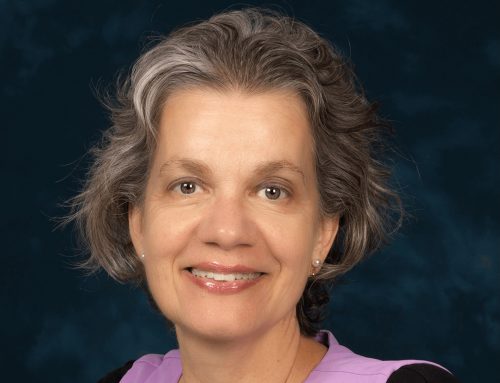
Diana Brandl is a longtime C-Suite assistant, and host of the Executive Office Insights podcast.
In this spotlight episode, Diana interviews Patrick Jephson – former Chief of Staff to Princess Diana.
CONNECT WITH PATRICK
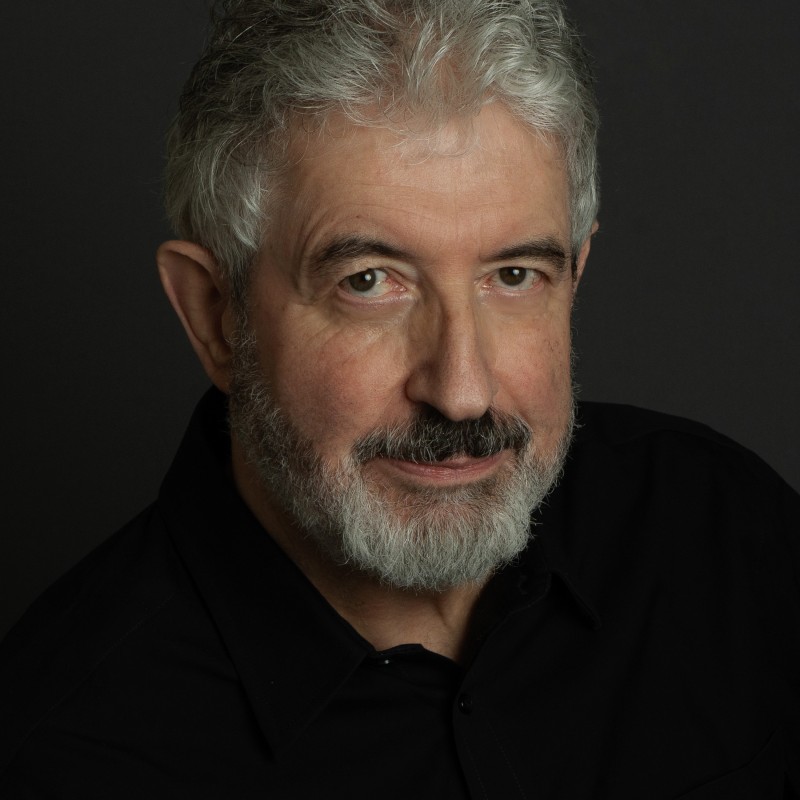
ABOUT PATRICK
For eight years Patrick Jephson was Princess Diana’s private secretary (Chief of Staff), responsible for every aspect of her public life and private organization. He travelled with the Princess to five continents, working with officials up to head of state and encountering unforgettable figures in politics, philanthropy and the arts such as Hillary Clinton, Margaret Thatcher, Mother Teresa, Bono and Luciano Pavarotti. Under relentless media scrutiny, his tenure covered the period of Princess Diana’s greatest popularity as well as the constitutional controversy of her separation from Prince Charles.
He is now a consultant, journalist, broadcaster and New York Times bestselling author, based in Washington DC. His byline has appeared in every UK national newspaper and international titles as varied as TIME magazine, Vanity Fair, People, Frankfurter Allgemeine Zeitung and Paris Match.
A published authority on corporate and personal branding, Patrick equally enjoys coaching C-suite executives, advising UHNWIs on reputation management and addressing PR conferences worldwide. Having worked for an internationally high-profile woman, he feels a special affinity for cross-cultural, protocol, gender and communications issues.
He also writes, presents and advises on factual and drama TV programs, appearing on every major US network. He is currently an expert consultant to the award-winning Netflix series The Crown.
Patrick was born and raised in Ireland and holds a master’s degree in political science from Cambridge University. A keen amateur historian, his ancestors include notable courtiers to Henry VIII, Elizabeth I and William III. As an officer in the British Royal Navy, he served all over the world before being selected for royal duty. In March 2015 he became a naturalized citizen of the United States.
ABOUT EXECUTIVE OFFICE INSIGHTS with DIANA BRANDL
Executive Office Insights is a podcast for executive support professionals hosted by Diana Brandl – an accomplished trainer, consultant, coach, and former C-suite senior executive assistant with nearly two decades of experience at renowned international companies, this podcast dives deep into the evolving world of executive excellence.

Diana explores the critical themes shaping the modern workplace, including leadership dynamics, digital transformation, AI, and the future of work. Featuring insightful conversations with a diverse range of German and English-speaking experts, each episode equips listeners with actionable insights and strategies to thrive in the ever-changing executive office landscape.
–––
THE LEADER ASSISTANT ACADEMY
Enroll in the on-demand, AI-powered professional development resource for Leader Assistants who want to level up. Learn more -> The Leader Assistant Academy.
THE LEADER ASSISTANT BOOK
Download the first 3 chapters of The Leader Assistant: Four Pillars of Game-Changing Assistant for FREE here or buy it on Amazon and listen to the audiobook on Audible. Also, check out the companion study guide, The Leader Assistant Workbook, to dig deeper.
JOIN THE FREE COMMUNITY
Join the Leader Assistant Global Community for bonus content, job opportunities, and to network with other assistants who are committed to becoming leaders!
THE LEADER ASSISTANT PREMIUM MEMBERSHIP
To learn more about how you can join growth-minded Leader Assistants, check out our Leader Assistant Premium Membership for ongoing training, coaching, and community.
LEADER ASSISTANT LIVE EVENTS
Check out our constantly updated schedule of events for admins and assistants at LeaderAssistantLive.com.
SUBSCRIBE
Subscribe to The Leader Assistant Podcast so you don’t miss new episodes!
You can find the show on Apple Podcasts, Spotify, Google Podcasts, Pandora, and Stitcher.
Join my email list here if you want to get an email when a new episode goes live.
LEAVE A REVIEW
If you’re enjoying the podcast, please take 2 minutes to rate and review the show on Apple Podcasts here. Each review helps me stay motivated to keep the show going!
–––
EPISODE TRANSCRIPT
Speaker 2: 00:46
Hey friends, thanks for tuning in to the Leader Assistant Podcast. I’m excited to share another spotlight episode of my friend Diana Brandl’s show, Executive Office Insights. Be sure to check out the show notes for more information about her show and today’s featured guest. But in the meantime, enjoy this conversation and keep leading well.
Speaker: 01:14
The Leader Assistant Podcast exists to encourage and challenge assistants to become confident, game-changing leader assistants.
Speaker 2: 01:28
Check out the show notes to this episode at leaderassistant.com/369.
Speaker 1: 01:35
It is always a huge pleasure for me to introduce my international network to all of you. And today it is Patrick Jephson, former private secretary and chief of staff to the late Princess Diana. He was responsible for every aspect of her public life and private organization. And I can tell you there are so many great stories he’s sharing with us while he was working for eight years alongside Princess Diana. But of course, there’s so much more to learn about Patrick. He is now working as a consultant, a journalist, a broadcaster. He is a New York Times best-selling author. And I can tell you he has been appeared in every UK national newspaper and also a few international titles like The Time magazine, Vanity Fair, People, and of course our German Frankfurter Allgemeine Zeitung. He is also consulting at the very famous network series The Crown. I’m sure many people of you have seen all those wonderful episodes already. I cannot wait for the new ones to arrive. So he’s he’s consulting. He’s working um with uh the actors there, and he has a lot to share with us. So I’m very honored to introducing the wonderful Patrick Jefferson to you all. Please enjoy. Welcome everybody to the podcast The Future Assistant, a podcast full of inspiration, encouragement, and empowerment for administrative professionals. Tune in, level up, and get motivated by the stories you are about to hear. So here we are again with another episode for the Future Assistant Podcast. And I am connected now to a gentleman based in the Washington, DC metro area. Welcome, Patrick Jeffson. An honor to have you here on the show today.
Speaker 3: 03:31
And it’s great to be with you again.
Speaker 1: 03:33
Yes, and it’s just so wonderful to continue our talk because the expert session we were running in December 2020 was such a huge success. And I’ve been receiving so many messages from people who were not able to attend. So I told them I need to get you in front of a microphone again in order to tell your story again and uh what’s happening in your life. So I’m very happy that you’re ready to do that again. So here we are. Uh a warm welcome uh to you, Patrick. And um, I mentioned it already. Uh you’re based in the Washington, D.C. metro area, and I’m quite familiar with the area from my Opair year back in the year 1998, 1999. I know I feel like a little old now when I say that, but it was a wonderful time living in the Virginia area. Um, but hey, you are not originally from the US, actually. So why don’t you tell us a little bit about your background, Patrick?
Speaker 3: 04:26
Well, Diana, I’m I’m really very fortunate in that I have, I suppose, a bit of a mixed-up background. I’m a bit of a, if I were a if I were a puppy, I’d be a mongrel probably. Um I uh I was born and grew up in Ireland. Uh and uh I’ve always been grateful for that. It’s it’s um uh a real bonus in a way to have a perspective on the world that comes from a small country. Um and um uh I’m also fortunate in that I don’t know why particularly, but Irish people seem to be seem to be welcome wherever they go in the world, and I’ve always found that, and I’m very grateful. Um my mother was from Scotland, and um she had a strong belief in in education, and uh she had all boys, and she believed in us uh being independent and um being confident. She sent us to a uh a Scottish boarding school where we were toughened up pretty well. Um and then I went to Cambridge, where I read uh political science, which um uh I was told was a great degree for conversation at cocktail parties, and that has proved the case. Then I I at that time I already had quite a sense of adventure, and I was interested in history, and I went and worked for two seasons on a big archaeological dig in Jordan and traveled around the Middle East for chiking mostly, which was very formative. Um and it gave me the sense for adventure and for travel. And uh while at Cambridge, I applied to join the the Royal Navy, the British Navy, um, because I I was uh attracted by the pictures in the recruitment brochure. I like the idea of serving something bigger than myself. Um and and it’s true, an employer like the Navy that that requires you not just to sail around the oceans, but also, if necessary, to give your life for the job, um, that concentrates your mind. And I rather that that appealed to me. I was glad that the even on a bad day, I could look at uh the ship or at the flag or at the sailors and think, yep, this is something really worth serving. And I think I was fortunate, and I would recommend that to anybody. If you can serve something bigger than yourself, feel you were part of something worthwhile, that’s a real reward. That’s a great benefit. While I was there in the Navy, I was selected to be Princess Diana’s military aide on a two-year second, um, which was sort of like winning the lottery, uh, certainly at that time in the in the late 80s, um, to go from bobbing around the ocean in a little gray ship to working for the most glamorous, beautiful um photographed woman in the world was was quite surreal. But I suppose again the the the message from that was um I didn’t really know what the job was, but I knew that I wanted to do it. I just felt that in when I looked back on my life, it was an opportunity I couldn’t have turned down.
Speaker 1: 07:49
Absolutely, absolutely. And we have to also uh add that you were the first and only private secretary and chief of staff uh to the late Princess of Wales, Diana. So, of course, the audience is keen to know how did you land this job?
Speaker 3: 08:02
Ah, well, um there I was as a military aide on a two-year secondment. Um, but at the end of that time, uh Princess Diana and Prince Charles were beginning to separate. I mean, it was very sad, but that was the reality. And so she said to me, Don’t go back to the Navy, come and set up my office, work for me full-time, run my public life. And she said, Um, we will go conquer the world.
Speaker 1: 08:28
And I remember you told me that you had this lunch conversation, uh the conversation over lunch with her, right?
Speaker 3: 08:33
Yep, I mean, there’s nothing like aiming high. So dream big. That’s a good rule. Um, but again, I was quite sure that the job was going to be difficult and challenging and probably very stressful. But I couldn’t turn it down. I couldn’t, she was a very difficult lady to say no to. Um, but I just knew that uh again, when I was, if I ever lived to be old, uh, that I would want to look back on it. And uh it would be sure to give me um memories, but also like the Navy, lots of travel.
Speaker 1: 09:10
I would go interesting places and even aviation was involved, and you’re a huge aviation fan.
Speaker 3: 09:17
Yes. Now, Diana, it’s funny you mentioned that because um it sounds silly, but uh I was, I am interested in airplanes. And Diana used to laugh at me when we went on the Royal Airplane. You know, I would be I would be interested in the airplane, and she would laugh and she said, Oh, Patrick, you know, what a kid you are. Um but uh there were many times, particularly very stressful or difficult times, when being able to um take a little uh uh holiday for myself in the airplane, just in my mind, even. And I think that’s a good tip. If you can, if you have a passion, I mean it could be orchids or you know, stamp collecting or dancing. I mean, if you have a passion, develop it, use it, because it will it will be a wonderful refuge for you in tough times. And of course, we went on lots of interesting airplanes and we flew fascinating places. I mean, just operationally.
Speaker 1: 10:14
Yes.
Speaker 3: 10:15
That as that aspect of the job fascinated me.
Speaker 1: 10:18
So how how was it on the Concorde the first time? What was the feeling?
Speaker 3: 10:23
Well, the Concord, of course, the uh the supersonic airliner was um the ultimate way to travel. There was nothing better than the Concord. It was if you arrived on the Concord, you were special. And many of my of my favorite travel memories with Princess Diana were flights on the Concord. Um, uh, not least because um it was very comfortable and there was very nice wine and and uh the food was good. But one time Diana said to me, uh Um, you know, you really enjoy this, Patrick, don’t you? And I said, Yeah, well yeah, I do, as it happens. And she said, Well, you know, I’m only doing this to keep you happy. Thank you. And uh one time the the the captain of the Concord came came back into the cabin and said to the princess, Well, you know, Your Royal Highness, would you like to come in the cockpit, you know, for the takeoff? And um she said, No, thanks, but Patrick will come.
Speaker 1: 11:19
And you were like, Oh yes, I’m in, right?
Speaker 3: 11:23
Yeah, but the poor captain was disappointed. He wanted he wanted the princess and he ended up with me.
Speaker 1: 11:28
But you know, what was the flight time again from London to New York? Was it in three hours or something?
Speaker 3: 11:33
It was three hours going and sometimes you know, less than three hours coming back.
Speaker 1: 11:36
Wow.
Speaker 3: 11:37
Um, but of course, Diana, even if you were in Concord or in, as we often were, interesting private planes, um, you were still working. And I think for a lot of for a lot of our listeners, you know, uh people think it’s very glamorous going in the company jet. Um, and of course it is sometimes, but the truth is it’s a flying office. And in that sort of close job where you are working very um uh uh for prolonged periods of close contact with your boss, you have to be on duty all the time. You cannot let your guard slip. Um, and so uh yes, a lot of the flying was fun, but it was also some of the toughest time. A lot of hard work, no relax. You know, I could be more relaxed in the back row of economy in the British Airways plane coming back from the from the reconnaissance trip. That was that was easier.
Speaker 1: 12:31
Yes, I can only I can only imagine. So uh you’ve seen great places uh traveling together with Diana. So is there anything you specifically love to remember you want to share with us? Uh, one of these moments?
Speaker 3: 12:44
Well, I suppose really the thing, Diana, was the contrast. Um, you know, one trip you might be in uh rural Africa visiting a uh a refugee camp or a very, very um moving uh hospital for orphans dying of HIV AIDS. Um the next week you might be in Washington, in the White House, meeting the president. So uh again, that’s very um intellectually very satisfying, being able to, you have to be versatile, you have to adapt quickly, you have to be very agile in terms of your protocol and your cross-cultural understanding. So any of us who get the chance to be exposed to widely varying um environments, uh, yes, it’s enviable, I suppose, um, but it is also stressful. It’s not for everybody. Yes. And you have to know yourself and your own personal setup whether that is going to thrill you and energize you, or or whether it’s going to damage you, whether it’s going to um uh deprive you of of the right work-life balance, whether you are just not physically, constitutionally um sufficiently versatile. There’s no there’s no shame in that, but it is important that if you find yourself in that sort of of role, you have to be able to give it everything. Um you have to feel that you are succeeding, because if you’re not, uh it can eat away at your self-confidence. Every day I had a battle with imposter syndrome.
Speaker 1: 14:27
Yeah.
Speaker 3: 14:28
You know, I would think, what am I doing here? Yes, yes.
Speaker 1: 14:31
And being away from your family, right? I mean, work life balance is a real thing. Yeah.
Speaker 3: 14:36
Yes, yep, little, very small at the time. Uh and you know, if I have a regret, it is that I didn’t have my work-life balance properly organized.
Speaker 4: 14:45
Yeah.
Speaker 3: 14:46
Um, okay, at the time, uh, it seemed important. The job seemed more important. And and many of us feel like that uh with our with our with our roles. But let me tell you, from a position as you know, now having grown up daughters, um, you never get back those those uh years when they are small. And um, yes, the work may be exciting and it may be very fulfilling for you personally, but just remember the graveyards are full of indispensable people.
Speaker 1: 15:16
Absolutely. You are so right, Patrick. Yeah. So um why don’t you give us a little insight about the job actually? Uh how was it to organize the life of Princess Diana?
Speaker 3: 15:28
Well, I had great advantage in that she had asked me to set it up. So I was not taking over an organization that was running well or running badly. You know, an organization that’s running well puts a lot of pressure on you, and so is taking over a bad organization because you then have to have to improve it. By starting something off, that in a way is perhaps the biggest challenge of all because what you do sets the standard. And you have you have a lot of freedom. Well, Diana gave me a lot of freedom to set it up the way I wanted, and I had a pretty good idea how I wanted it to be. Um with Diana, it was um always important to remember that she was extremely professional. I know that we have this image of her now as a very emotionally approachable, uh rather informal kind of super celebrity, but actually she was a professional. She worked really hard. She was diligent. In fact, the letter D comes up quite a bit. She was diligent, she was dutiful, um, she was very um committed to her work, uh, not just as a humanitarian, but as a as a royal person too. So while a lot of our work, particularly overseas, was charity-based, a lot of it too, was trade promotion, diplomacy, cultural work. Um, these things are forgotten about her. But we we need to remember, and I like to I like to remind myself and others that she was first and foremost a kind of ambassador for her country. Um, she took that very seriously. She was very dutiful, very diligent, very detail-oriented. Yes. You know, with some bosses, you can get things past them, you can, as they say in English, pull the wool over their eyes, you can you can kind of get away with stuff. I could get away with nothing.
Speaker 1: 17:14
She would see the mistake uh in a letter or with a.
Speaker 3: 17:17
Not so much in the letter, I mean, because she she was very smart, but she was not academically very, very, very accomplished, as she admitted. But she was very smart, very observant. And um, you know, some organizations, you can get away with second-rate work.
Speaker 5: 17:33
Yeah.
Speaker 3: 17:33
Uh with Diana, you could not. She she uh was very, very observant. But it taught me um that uh you have to develop what I call forgivability. You have you you you have to have a relationship with your boss where they will trust you to tell them if you if you make a mistake.
Speaker 4: 17:55
Yeah.
Speaker 3: 17:55
So very very early on in my time with Diana, I made a point of going to her and saying, look, I’ve made a mistake. And she said, Nobody makes mistakes in the British Royal Family. I said, Well, I just made a mistake. And she said, Nobody, nobody has ever admitted that to me before.
Speaker 4: 18:10
Wow.
Speaker 3: 18:10
Um, so uh it was great in that she then trusted me to tell her if things went wrong. Um not too often, but just enough, just enough to allow her to forgive me. Because forgivability, um, and I now teach this to my to my clients, it is it is that quality that gets you the benefit of the doubt when you make a mistake. Right. Everybody makes mistakes, everybody does. But the key is how you respond, how you build back, how you how you use the mistake to make things better in future. And again, dealing with Danis, the the um the staff that I recruited, um, I encouraged the sense of uh that people could share information. That was very important, um, that we were very tight-knit, very lean, as they say. Um, we were responsive, nimble, um, quite uh quite in royal terms, we were quite thrifty too. We were we were good value. But this idea that individuals had to be able to feel that they could admit their mistakes without fearing failure, that they could admit mistakes and we could all benefit from it.
Speaker 1: 19:19
Yeah, absolutely. So you just mentioned that uh she was very detail-oriented. How how else would you describe her as a boss? Kind of a leadership style she had.
Speaker 3: 19:30
She had terrific leadership qualities, and uh bear in mind, I uh in the Navy we we studied leadership and I uh served under some great leaders. Uh Diana had natural leadership. Um she was obviously physically uh very, very imposing. She was um five foot ten, what’s that, just under two meters, right? Um uh with plus hair and heels. Uh she had a very penetrating blue gaze. You know, her eyes were were very um powerful instruments. She used them really well.
Speaker 5: 20:07
Yes.
Speaker 3: 20:08
Uh and she um could read people, she could read the mood, she could read a run. Um, she thrived on uh uh challenges, difficult people, um, people sometimes who didn’t like her, people who were uh not fans, just obviously as she was with people who were in great need or who were suffering.
Speaker 4: 20:31
Right.
Speaker 3: 20:31
Um so as uh her leadership style was um to develop a sense of spontaneity, um, but always to prepare hard, you know, to work hard to prepare the details. And this is the trick. Great leaders make it look easy. Yes. But it isn’t. It looks easy because they did the hard work first. And people like me didn’t see the first thing.
Speaker 1: 20:56
You were in the back, of course. The hidden leaders, right?
Speaker 3: 21:02
I used to say, I used to say, behind every great woman, there is a man worrying about the schedule.
Speaker 1: 21:08
Oh, and by the way, can you tell the story about Mother Teresa? And you were worried about catching that plane. I need to hear this again, please, Patrick.
Speaker 3: 21:17
Well, to tell you something about Diana’s style, her leadership style, her management style, she was extremely time conscious. Very, very punctual. She said, you know, this is courtesy. And therefore, I was in trouble if the program uh got got behind, you know, if things were not happening on time. So I tried to develop her programs, her timetable for every day, with a little bit of extra time here and there so that she could be spontaneous, so that she could stop, talk, chat. Um, but we were visiting Mother Teresa, and I had not left much time for spontaneity. It all seemed very well organized. We knew when things were supposed to happen. And we were running on time. I was feeling very pleased. And then Mother Teresa said, Will you come and pray with me in my private chapel? To Diana. And to me, actually. And you don’t say no to Mother Teresa. I couldn’t, I couldn’t look at my watch and say, no, sorry, no time. So um we went in to pray in in Mother’s private chapel. And that, of course, was a very, very special experience.
Speaker 4: 22:30
Oh, yes.
Speaker 3: 22:31
Uh, extraordinarily spiritually um intense.
Speaker 4: 22:36
Right.
Speaker 3: 22:37
So we were praying and praying, and I was thinking, I wonder how long this is going on. Uh and uh, you know, I kind of looked up from my prayer, and there was Mother Theresa still praying. And I looked across at Diana, and she was going, you know, question, how long? What are we what’s next here? Um, so then I started praying. Please, Lord, may this prayer end soon.
Speaker 1: 24:34
We have to catch a plane, exactly. That’s a wonderful story. I always love when you hear that. Thank you so much for sharing it again with us, Patrick.
Speaker 3: 24:42
And of and of course, um, we did leave exactly on time. So always, but the moral of the story is always leave time for prayer.
Speaker 1: 24:54
By the way, speaking of Mother Teresa, of course, you met many other incredible people during uh the time with Diana. There was Bono, there was Hillary Clinton, and and many, many more. So what were the people you remember instantly and why?
Speaker 3: 25:10
It’s true, Diana. I was very fortunate in meeting, gosh, a lot of big big names. But um the rule I made for myself was it doesn’t matter who I’m meeting, I have to continue to do my job. You couldn’t afford to be distracted by the people you’re meeting or the places you were or the whatever may else be going on, right? You have to remain focused. Um and um yes, some of those sort of famous people do stay in my memory, but uh the ones you know who really stay in my memory, who meant who meant the most at the time, were not the famous faces, they were the the ones in the background or the people um way down the importance order who were just doing their job and very well, um, who had time uh to be kind or who did that extra bit that that made the difference for me between um success and big success. Uh, and I think that that was a good lesson also that um I judged, I learned to judge the so-called important people by how they treated the less important people. Yes. And um I recognized the the real heroes and the angels and the saints, uh, and just the great people were they were not the ones who were rushing up to be in the camera or to be to meet the princess. They were just doing their jobs, and they were great fun, and many of them um remain friends to this day. And many of them, in some places we traveled, you know, their their lives were at risk. Um, their families were at risk. They endured extraordinary difficulties and privations, and it always reminded me how fortunate I was, and you know, reminded me to count my own blessings. And um, that’s still something I do.
Speaker 1: 27:04
That’s true. And it’s it’s wonderful how you described this. Uh, very humble. Um, I really, really uh enjoyed listening to that, Patrick. Thank you. Um, so you resigned actually from the position a year before the tragic death of Diana. Uh, why did you find it was time to actually stop working for her and move on? When did you feel it?
Speaker 3: 27:29
I suppose there were a number of factors. You know, if you have a demanding job, an intense job, when you’re working very closely with somebody, you’re gonna have some bad days. Um, you have to be prepared for it. I sometimes have the impression that people expect every day to be to be wonderful. Um maybe for some people it is. But for me, I had some I had some very difficult times. And when you’re working closely with somebody, you have your own bad times and you have their bad times too. And you have to you have to be able to absorb their bad moves, their bad days, their bad temper, whether it’s your fault or not. Uh that’s that goes with working closely with somebody. Um so it it follows that uh in that very close sort of relationship, you have to be able to read each other’s moves, really, and to adapt for them, allow for them. There has to be complete trust. Um and when um, as inevitably it happens, you go through a bad patch. Yeah. And I went through I went through several. Um, you have to be able to develop the necessary thick skin. You have to be able to absorb the criticism. Doesn’t always come from your boss, it can can come from other people. I mean, okay, you know, royal courts throughout history have been famous for court politics, but every organization has its court. You know, they have their kings and their princes and their and their ambitious jokers, and that we all have to deal with these difficult interpersonal aspects. Um, I uh thought it was part of my job also to monitor my relationship with my boss. I always had to ask myself, how’s it going? How can I make it better? Were the threats, how things it was part of my job to make sure that things ran smoothly. And when it was apparent that there was something wrong, um I had to I had to do make a judgment as to whether or not this was just one of those difficult patches that would blow over, or whether it was something more permanent. And was there anything I could do about it? Now, I’ve since learned, and really only just last year, that um a journalist, a BBC journalist called Martin Bashir, yeah, had got to the princess through her brother, uh and had told her lies about me, libels, you know, libeless stuff.
Speaker 5: 29:55
Yeah.
Speaker 3: 29:56
Um, legally culpable things about me, intended to destroy that working trust so that he could get past me to get to her, because I would, you know, I would never have let her speaker in.
Speaker 1: 30:10
Exactly. That famous interview, right?
Speaker 3: 30:12
Yeah, and that’s and because he successfully um persuaded her that I was actually not to be trusted, yeah, uh, that two things happened. One, the relationship between me and her obviously was no longer working the way it had to. Right. And secondly, she agreed to do an interview with him, which was suicidally bad idea, very damaging, and it destroyed her um much of her royal potential.
Speaker 4: 30:43
Yeah.
Speaker 3: 30:44
And just on a professional level for me, that meant that I couldn’t do my job.
Speaker 4: 30:48
Right.
Speaker 3: 30:49
Um, and so when you’re in a situation like that, there are all sorts of emotions that make you want to stay, keep things going the way they were. It’s kind of like it’s kind of like a relationship, but you have to recognize when things cannot be repaired.
Speaker 5: 31:04
Yeah.
Speaker 3: 31:05
And you have to remember too that um you’re responsible for your own life, your own happiness, and for your family. Uh, and uh if you are in a situation where things are not going to get better, you have to leave. You have to make that decision. Um, life is long. You have to take your opportunities where they come. And if you have the courage to leave a difficult or impossible situation, um, in my experience, Providence uh will almost always bring you something else. And you just have to have the attitude and the willingness to look for it.
Speaker 1: 31:41
Yeah. Absolutely. And uh yeah, and as we all know, uh a chapter ends and a new chapter is awaiting for us, right? Um so for sure, um we all remember the night back in August in 1997 when Diana died in the tragic car crash. Do you remember where where you were at that moment and what came to your mind when you heard about it?
Speaker 3: 32:07
Um well, I resigned a year before she died. So uh we had no contact at this stage. You know, we left we we parted on bad terms, which is which is a shame. Um, so um uh and the real tragedy, Diana, is that she died thinking that I had betrayed her. That’s yeah, I know thanks to thanks to the the lies that she was told. That’s very upsetting. But yeah, uh when I got the news, I it was very early in the morning. Um and um I was terribly shocked, obviously, and and upset, but part of me almost was was not surprised. Um by that stage, she no longer had the kind of support structure that I had created, and she was uh she had put herself in the care of people who were not competent to look after her. If you study as I have, I I mean I testified at the inquest in her death. Right um she died because of incompetence, because of uh um negligence, lack of planning, um, lack of common sense, lack of of uh proper procedures.
Speaker 6: 33:24
Yeah.
Speaker 3: 33:25
Um and um of course uh what happened was that she had um meant that she was vulnerable to the kind of those kind of misjudgments.
Speaker 6: 33:38
Yeah.
Speaker 3: 33:38
Um and that was very, very, very sad. And she left a uh a gap in the in the royal family, but also I think in the world that that will never will never be filled.
Speaker 1: 33:50
And I think you you you told me that you attended the funeral, you were even kind of involved in it, right?
Speaker 3: 33:56
Well, I went to Buckingham Palace to see if I could help. You know, they had to arrange the funeral very quickly. Most royal deaths happen uh after long illnesses. We’ve just seen the death of Prince Philip. There was plenty of time to prepare for his funeral. There was no time to prepare for Diana’s funeral. So um I went to see if I could help at the palace. Um, of course, they they had taken another funeral plan off the shelf and adapted it. So there wasn’t much I was able to do. But uh the funeral itself was extraordinarily moving. The great thing was I had a seat in the Abbey, not with all the the VIPs, but with Diana’s charities. So I was I was seeing again faces uh that I hadn’t seen in years, great friendships. And so right after the funeral, we went outside uh into um Parliament Square, and it was a beautiful sunny day. And at our end of the Abbey with all these these old friends, instead of it being a sad occasion, it became a bit of a celebration. And we we you know we shared stories and memories of Diana. Um great happy things, uh, which I felt was a very suitable way to mark the day.
Speaker 1: 35:09
Oh, that’s so beautiful, indeed. Um, so what would you think? Why is Diana’s legacy still so strong? I mean, uh just the other day, you know, when she was supposed to turn 60 years old, there were lots of documentations going on on the television. And um so so many people still talk about her. So what do you think? What is it about her legacy?
Speaker 3: 35:34
Well, one reason I think we still remember her, Diana, is that um she did so much in such a short time. If you think about it, her youngest son, Harry, is now older than she was when she died. Yeah, she did all that. It’s yeah. Uh and her experience mirrors our experience. If you if you think about it, it was a mixture of of um achievement and sadness and disappointment and ultimately tragedy. Uh a lot of her life uh is mirrored in other people’s lives, and yet um the lessons she left us that it’s okay to be vulnerable and strong, yes, um, I think is it has never been more relevant. Yeah um and her combination of duty and compassion is still very relevant, and uh she did leave us a lot of great images, and it is those images, I mean, this was how we how I planned her her programs, that you could see what she was doing through the in through the images that that the world saw. Yeah, um, and unlike a lot of modern um spin doctoring, you know, news management, PR, uh, if you look, for example, at the modern royal family, they all employ PR experts, news managers. Some of them, you know, in the case of uh Harry and Megan, expert Hollywood news managers, image makers. Diana didn’t even have a press secretary.
Speaker 4: 37:11
Ah, yeah.
Speaker 3: 37:12
You know, you know, we had no we we we had no PR uh um contracted. We had we would borrow one of the Queen’s press secretaries for tours. Um but the rest was, and Diana believed in this. She she did her own PR. She said, you know, she did it well.
Speaker 1: 37:29
She did it well.
Speaker 3: 37:30
Yep. If you want to know what what what my message is, look at what I’m doing.
Speaker 1: 37:34
Yes. Yeah. And I think this is indeed part of the legacy we we still see. That’s wonderful. And you just mentioned Harry, actually. Um, so we all know how extremely important the kids were for Diana. So um lots of pictures have been, of course, seen, uh, how happy she was with the kids. So, what is your memory of young William and Harry?
Speaker 3: 37:57
Well, I suppose I was lucky, Diana, in that um they had a very well-organized nursery organization. Um, you know, they had nannies, they had their own protection, they had drivers, uh, and they were at school a lot of the time. Yeah. So um I didn’t I didn’t uh um go looking for them. You know, they they were noisy little boys, and I had a lot of work to do. So uh, but you know, you you came across them quite a lot. And um one very important aspect of of Diana’s life, of course, was that she should be home in time for baths and stories and all of that, which is one re one reason why her day-to-day timetable had to be so efficient, yes, so that she could get back for for important um uh William and Harry uh moments.
Speaker 5: 38:52
Yeah.
Speaker 3: 38:53
Uh and um of course she did bring them up uh in a different way from previous generations, not I think this is a mistake people make, not to make them feel that they were normal, yeah, because she knew their their lives would never be normal. No, but but at least to give them an understanding of what normal life was like for normal kids.
Speaker 1: 39:19
And interestingly, one of the boys decided to have a normal life now, kind of a normal life by by leaving uh the UK. So, but that’s a whole other story. Um so, Patrick, I I cannot ask you, um, you know, I have to ask you about the crown, of course. I mean, I’m sure a lot of people here listening to us, and I’m a big fan as well, uh, watch the Netflix show. Um, it’s it’s been a wonderful show on Netflix, and we have to say that you have been an uh advisor to the show, and um specifically also working with the Diana actress Emma Corin. Um, and uh we’re all desperately waiting for the new episodes to come live. And uh there will be also someone who’s uh playing Patrick Drefsen, right, on the next season. So I can’t wait for these episodes. Is there any sneak peek you can give us here?
Speaker 3: 40:13
Uh well I can say that that there is another season coming, season five. Um, and we’ve been working quite hard on that uh at the moment. Um and uh I spent some time yesterday actually talking to the actor who is going to be me.
Speaker 1: 40:28
Tom Turner.
Speaker 3: 40:29
Well, no, Tom was season four.
Speaker 1: 40:31
Um yes, I remember. Who’s the other guy?
Speaker 3: 40:33
Season five. The new one is is a great actor called Jamie Glover.
Speaker 1: 40:37
Yeah.
Speaker 3: 40:37
And um so uh it’s it’s an interesting bit of, you know, they say you have to be self-aware. Well, talking to somebody else about how to be you is a very good exercise in self-awareness. Um but it was, I mean, it’s it’s I think it’s a wonderful show, and it is not a documentary, you know, yet it’s criticized for not being accurate. Well, I can tell you it it they go to extraordinary lengths to get the detail right.
Speaker 5: 41:05
Yeah.
Speaker 3: 41:06
Um and it, you know, it is a drama. It is a it is a uh but it is authentic, in my opinion, in the sense that it portrays the characters, the dynamics, um, a lot of the issues, the politics very, very accurately. And uh I thought that Emma Coran did a fantastic job in the last season.
Speaker 4: 41:28
I agree.
Speaker 3: 41:29
And it it’s um it’s definitely, I think, a great contribution to the body of work about the royal family. And uh uh yeah, don’t miss it.
Speaker 1: 41:41
Yes, absolutely. I’m gonna definitely watch it when it’s on. So I’m wondering wonderful to see that you’re involved uh advising them. So why don’t you tell us a little bit about your current work and your consultancy? Uh you’ve been mentioning that you work with clients, um also topics around crisis management, reputation uh management. These are one of these topics you cover. Uh, why don’t you give us a little insights uh on the work you’re doing together with your team?
Speaker 3: 42:09
As you can imagine, Diana, working for Diana, I learned a lot. Of uh good skills, not in theory, you know, not in school, not even in college, but but working on the job and learning very quickly. Right. Um and I thought it would be useful to transfer some of those skills to um uh provide services for clients. So I have a a consultancy here in DC with my partner Bill Beaman. Www JeffsonBeaman.com.
Speaker 1: 42:42
Yes, absolutely. We’re gonna put it in the show notes.
Speaker 3: 42:46
And and we are um we’re very fortunate. We do, I mean, our our corporate um slogan is we do interesting work for nice people.
Speaker 5: 42:56
I love that.
Speaker 3: 42:57
Well that does that does certainly include communications, um uh and uh particularly crisis communications, what to do when things go wrong, um, how to avoid things going wrong in the first place, how not to make how not to make things worse. We see this every day. Um great brands, corporations, individuals who have reputation crises, and some survive and indeed even prosper. Right. Others get into a hole and keep digging. And and that’s that’s one of the things we we work on. We also work uh one-to-one or with small groups on communication skills.
Speaker 4: 43:37
Yes.
Speaker 3: 43:38
Um, and uh I particularly work with female executives uh and um because I’m a man who’s worked for a woman, uh that’s still relatively rare and learn a lot from that. And um particularly I enjoy passing on my experiences and helping women in particular develop their unique skills because um uh so often I have found that that having worked for a very, very effective, dynamic, uh, and sometimes uh um impetuous woman boss, uh, I have been able to draw on those experiences, good and bad, to benefit to to benefit women who find themselves sometimes in very demanding and unfamiliar um leadership roles with with uh colleagues, male colleagues who need um to be managed, and I can sometimes help explain how the different mentalities work.
Speaker 1: 44:41
Yeah, absolutely. Great service you’re offering. And as I said, we’re gonna make sure we to put the website into the show notes. And here’s my final question. I can’t believe it’s already over, Patrick. So we want to hear what’s next for Patrick. Any nice uh trips planned, aviation fan, um anything you want to share with us, maybe out of your private life as well? More than welcome to do that.
Speaker 3: 45:05
Well, I uh I’m really fortunate, Diana, in that I have recently um started doing more and more work with assistants, with executive assistants, with chiefs of staff, um, with people who uh whose jobs are in some ways comparable to what mine was. And again, being able to share those experiences uh and hopefully help other people avoid some of the mistakes I made and help help them avoid some of the sleepless nights I had, uh help them avoid growing gray hair like me. That that’s something I enjoy doing. I really love doing that and would love to do more of it. Um but of course uh I yes, I retain a love of flying and aviation, so I’m hoping to do I’ve been fortunate in having quite a few aviation clients, particularly in business uh and general aviation. And uh with with luck, um watch this space, Dina. I may be doing more um uh writing and um marketing work with aviation.
Speaker 1: 46:07
Fabulous. Wow, we can’t wait for it. And um, of course, you are uh regular experts uh when it comes to coverage of uh the late princess of Wales, and it’s always good to see when you uh put some articles out there. So I can only recommend our audience to follow Patrick on LinkedIn. It’s always great stuff he puts out there. So I always appreciate sharing this and getting your views. And I always learn so much new uh when I read these articles. So thank you so much for sharing all of that with us.
Speaker 3: 46:37
Well, Anna, thank you, and everybody. Um it’s been lovely sharing this time with you and do link in with me. I look forward to hearing from you.
Speaker 1: 46:43
Absolutely. I’m gonna make sure to uh to put your LinkedIn link as well in the show notes. So reach out to Patrick and um follow him and all his journeys. And once again, thank you so much for being on the show, Patrick. Truly appreciate this talk that you had the time again, and I can’t wait to release it. And wishing you all the best. And yeah, take good care and uh all the best to the DC area.
Speaker 3: 47:07
Thank you, Dana. It’s been a real pleasure, and thank you everybody for listening.
Speaker 1: 47:11
Thank you, everybody. Take care. Well, I’m pretty much sure that you are all gonna sign up for the crown on next Netflix because um there are so many great stories to hear about the royals and to dive into this history packed um series. I’m a big, big fan. And as I said earlier, I cannot wait to see the new episodes. I cannot wait to see uh the actor that plays Patrick, of course. So we are all gonna be super curious about that. So make sure you reach out to Patrick, stay in touch with him, and if you ever need his service, uh, because he has so much in his portfolio uh to offer, not only to assistants, of course, but also to executives, managers out there. So uh he’s he’s wonderful to work with, and I um can only highly recommend reaching out to him. Uh, thank you so much, Patrick, for being with us. It was a huge pleasure, and uh can’t wait to talk to you soon.
Speaker 2: 48:10
You’re listening to the Leader Assistant Podcast!